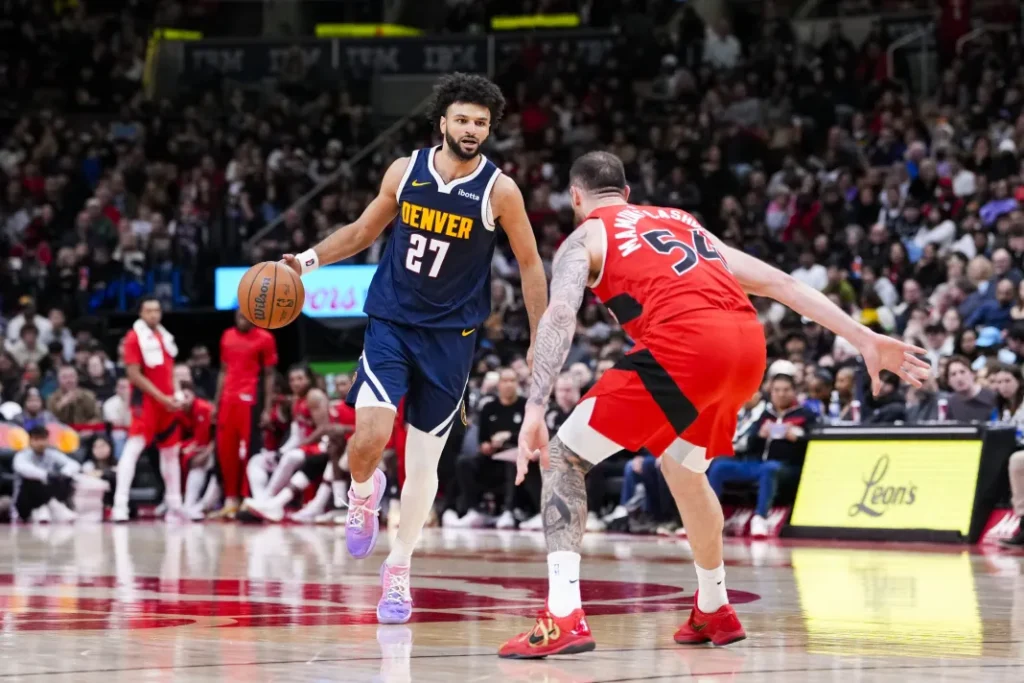

The 2025–26 NBA season has become a game of numbers, not guesses. Player props on points, rebounds, and assists give bettors a way to spot value where spreads and totals are already tight. Digging into these stats lets smart bettors find edges others might miss.
Props are now the main event for anyone looking to win big. Every play counts, and small details can make a huge difference. Bettors who know where to focus are the ones turning data into real results.
The Rise of Contextual Volume in Player Props
In previous seasons, most bettors relied heavily on season averages and simple matchup narratives. During the 2025–26 season, that approach has been replaced by contextual volume analysis. Usage spikes driven by lineup changes and roster absences now create some of the most consistent edges in the market.
The Los Angeles Lakers provide a clear example of this evolution. Pairing Luka Dončić with LeBron James has changed how bettors evaluate Dončić’s statistical profile. While his scoring remains elite, his assists and rebounds have become more reliable foundations for player prop ladders.
Superstar Interaction and Clutch-Time Usage
Superstar pairings introduce complexity that raw averages fail to capture. Late-game usage, playmaking distribution, and defensive attention all shift in high-leverage moments. Bettors tracking clutch-time data have gained an edge by anticipating how stars defer or assert themselves late in games.
This dynamic has proven especially relevant in close games. Rather than blindly betting on scoring overs, sharp bettors are isolating how touches are redistributed under pressure. These late-game tendencies often go underpriced until several games establish a clear pattern.
Defensive Archetype Mapping and Shot Location Data
This season, defensive analysis has gotten much more detailed, especially when looking at FanDuel NBA player props. Instead of just judging a team as “good” or “bad” defensively, bettors are now checking where opponents allow easy shots. For example, some teams are weak close to the basket but strong against outside shooting.
These patterns make scoring props for aggressive, slashing guards more profitable. Even top teams can have exploitable spots when their defensive strengths don’t match a player’s style. Metrics that track where shots are allowed are now often more useful than general defensive ratings.
Matching Player Tendencies to Defensive Weaknesses
The most profitable prop bets now come from aligning individual player tendencies with opponent vulnerabilities. A guard who thrives on attacking the rim may see inflated value against a defense that allows high efficiency near the basket. These matchups often escape notice when bettors rely solely on win-loss records.
This approach rewards bettors who study play-type data. Isolation frequency, transition usage, and pick-and-roll efficiency all influence prop outcomes. Defensive archetype mapping turns qualitative observations into quantifiable betting edges.
Sophomore Breakouts and Rotation Certainty
The 2025–26 NBA season has featured a statistical leap from the 2024 draft class and second-year players. While Victor Wembanyama continues to challenge traditional defensive models, the most consistent value has emerged from rotation certainty. Players locked into stable minutes offer predictable production regardless of role designation.
Bench players with defensive versatility have been particularly valuable. Because sportsbooks often continue to price them as traditional role players, their combined points, rebounds, and assists props remain undervalued. This inefficiency grows when starters rest, or rotations tighten late in games.
The Value of Minutes Over Star Power
Minutes played have quietly become one of the strongest predictors of prop success. Players receiving consistent floor time accumulate counting stats even without high usage rates. Bettors who prioritize minutes stability often outperform those chasing headline names.
This trend favors disciplined roster analysis. Coaching trust, matchup flexibility, and defensive reliability all influence minutes more than box-score production. Understanding rotation certainty has become essential for long-term profitability.
Advanced Metrics and the Projection Delta Edge
Latest NBA Betting Insights show that the sharpest bettors this season are leveraging projection delta models. This approach measures the gap between AI-generated projections and sportsbook lines to identify inefficiencies. When the delta remains wide, value often persists even after public betting pressure.
Projection deltas allow bettors to quantify disagreement between models and markets. This method shifts focus away from narratives and toward statistical probability. It also helps identify opportunities in alternate lines and combo props.
Teams and Players Driving Projection Value
The Cleveland Cavaliers have emerged as one of the strongest teams for projection-based betting. Donovan Mitchell continues to maintain high scoring volume even in lopsided games. This consistency has made his alternate scoring lines particularly attractive.
Similarly, Cade Cunningham has driven value through playmaking metrics. Leading the league in potential assists has elevated his assist props beyond traditional box-score expectations. Bettors tracking these advanced stats have stayed ahead of market adjustments.
The Evolution of NBA Player Prop Betting
Player props have come a long way in the 2025–26 season, going from a side hustle to the main stage for smart bettors. You can’t just follow the stars anymore because every rebound, assist, and point counts. Advanced stats and AI tools give an edge, but reading the flow of the game is what really pays off. Betting props rewards patience, attention to detail, and a little guts. For anyone paying attention, they’ve made the season more exciting and full of opportunity.