
Over the past decade, the global fashion landscape has been transformed by digital-first brands that rewrote the rules of style, speed, and affordability. Among them, missguided stands out as a remarkable case of innovation, influence, and eventual reinvention. From its humble beginnings in Manchester to its global reach across more than 180 countries, missguided became synonymous with affordable trends, social media buzz, and youth-driven energy. Yet, like many fast-fashion giants, the brand’s meteoric rise was matched by equally dramatic challenges. Its journey reveals how shifting consumer expectations, sustainability pressures, and competitive dynamics can reshape even the most popular labels.
This article explores the full arc of missguided from its foundation and explosive growth to the missteps that led to administration and its eventual rebirth under new ownership. Beyond a business story, it is a reflection of how fast fashion itself has evolved, offering valuable lessons for anyone interested in the intersection of style, commerce, and digital culture.
Origins: How Missguided Was Born
Founded in 2009 by Nitin Passi, missguided emerged at a pivotal moment in retail history. The world was rapidly embracing online shopping, social media was beginning to shape consumer habits, and a new generation of shoppers craved immediacy in fashion. Passi identified this cultural shift early, building a brand designed to deliver high-speed trends at wallet-friendly prices.
From its inception, missguided was unapologetically bold, speaking directly to young women aged 16 to 35. Its tone was confident, playful, and relatable a refreshing change from traditional fashion advertising. Instead of glossy runway imagery, missguided leaned into influencer collaborations, Instagram-ready styles, and campaigns that celebrated individuality and empowerment. The brand’s “real girl” focus made it instantly relatable, and its marketing became as important as its clothes.
Rapid Growth and Global Reach
Within a few short years, missguided went from an online startup to a multi-million-pound enterprise. Its agile business model enabled it to identify new trends on social media and translate them into affordable products within weeks. This rapid turnaround time became its signature advantage, helping it compete with established players like Boohoo, ASOS, and PrettyLittleThing.
The brand’s website expanded globally, shipping to more than 180 countries and establishing a strong presence in the United States, Australia, and across Europe. To further boost visibility, missguided opened physical stores and collaborated with retailers such as Selfridges and Nordstrom, experimenting with pop-up spaces and in-store concessions. Each expansion was supported by digital marketing campaigns that perfectly captured the social media zeitgeist of the 2010s.
What truly set missguided apart was its voice cheeky, confident, and unfiltered. The brand understood that modern consumers weren’t just buying clothes; they were buying into a lifestyle, a mindset, and an aesthetic. Through influencer partnerships and collaborations with celebrities, missguided built a loyal following of trend-conscious women who saw themselves reflected in the brand’s imagery and message.
The Power of Marketing and Digital Influence
Missguided’s marketing was nothing short of revolutionary for its time. Long before TikTok trends and viral fashion hauls became mainstream, the brand was already mastering the art of digital storytelling. It leveraged Instagram, YouTube, and later TikTok to create instant desirability around its products. Influencers, models, and reality TV stars wore its pieces, turning them into overnight bestsellers.
This influencer-driven approach blurred the lines between celebrity culture and everyday fashion. A dress seen on a Love Island contestant or Instagram influencer could sell out in hours. The company also used bold, body-positive campaigns that resonated with modern consumers who valued authenticity and inclusivity.
Yet, this same marketing intensity contributed to the brand’s challenges later on. The pressure to constantly produce new, eye-catching content meant missguided had to maintain an unsustainable production pace. Consumers’ appetite for constant novelty led to massive inventory turnover, and with that came financial strain, overstock, and waste a symptom of the broader fast-fashion problem.
Inclusivity and Representation: Expanding the Brand Identity
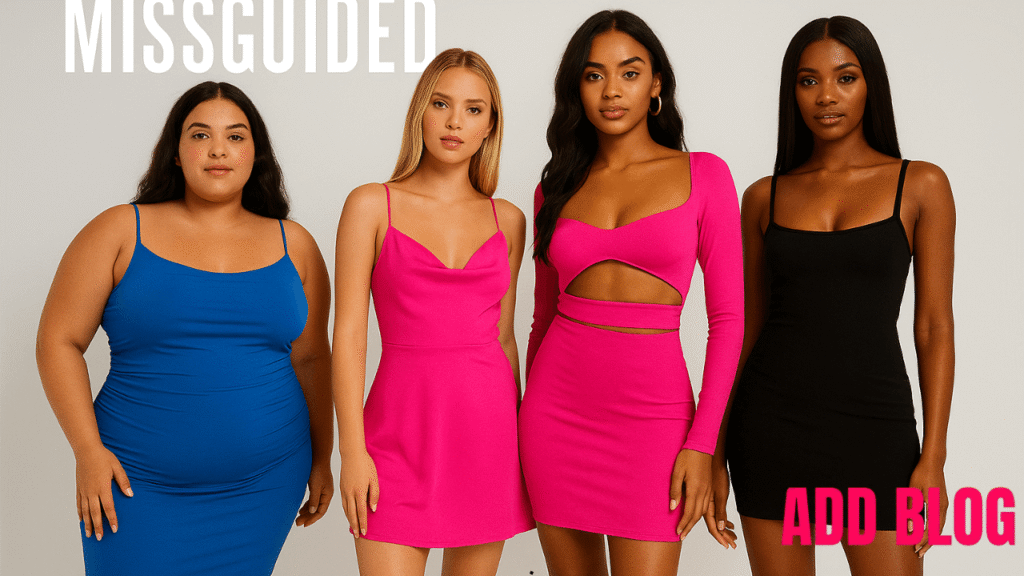
One of the most commendable aspects of missguided’s brand DNA was its dedication to inclusivity. The company launched collections catering to all body types tall, petite, plus-size, and maternity ranges were all proudly featured on its website. Campaigns celebrated diversity not as a marketing gimmick but as a central part of its identity.
Models of different shapes, ethnicities, and backgrounds appeared side by side, reinforcing the idea that fashion should be fun and accessible to everyone. This approach helped missguided gain cultural credibility and emotional loyalty among consumers who felt underrepresented by traditional fashion brands.
However, inclusivity alone could not shield the company from the economic and operational pressures of the fast-fashion model. While the brand projected a progressive image on the surface, it faced growing scrutiny about its labor practices, sustainability efforts, and environmental footprint.
Behind the Glamour: Ethical and Sustainability Challenges
As missguided expanded globally, its success also brought increased attention from watchdogs and critics. The fast-fashion industry as a whole has faced intense criticism for promoting overconsumption, low wages, and environmentally harmful production methods and missguided was no exception.
Reports surfaced about suppliers allegedly underpaying workers, and critics accused the company of lacking transparency in its supply chain. Environmental activists also pointed out the contradiction between promoting empowerment while fueling disposable fashion habits. While the brand made gestures toward sustainability — such as launching limited “responsible” collections and emphasizing body positivity — these efforts were often seen as surface-level rather than systemic change.
This growing scrutiny reflected a larger shift in consumer values. Younger shoppers began demanding more from their favorite brands: ethical sourcing, eco-friendly materials, and sustainable production. For companies like missguided, built on fast turnarounds and low prices, this shift created a tension that proved difficult to reconcile.
The Decline: Financial Struggles and Administration
By 2021, the warning signs had become hard to ignore. Despite its massive social media presence and brand recognition, missguided was struggling financially. Rising production costs, overstock issues, and fierce competition from brands like Boohoo, PrettyLittleThing, and Shein put immense pressure on margins.
In May 2022, the company officially went into administration after failing to pay its suppliers. Many partners accused missguided of late payments, and some even threatened legal action. The collapse shocked many in the industry how could a brand with millions of followers and global visibility fall so quickly?
The answer lies in the volatility of the fast-fashion model itself. The same speed and scale that once powered missguided’s growth became its greatest weakness. Trends changed faster than the brand could react profitably, and supply chain costs soared in the post-pandemic world. Despite strong sales volumes, the economics of ultra-low pricing simply couldn’t sustain long-term stability.
Acquisition and Rebirth: A New Chapter for Missguided
Just weeks after entering administration, missguided found a new lifeline. In June 2022, Frasers Group — the retail empire behind brands like Sports Direct and House of Fraser acquired missguided’s assets for approximately £20 million. The goal was to stabilize operations and integrate the brand into Frasers’ broader retail portfolio.
However, the story didn’t end there. In 2023, global fashion giant Shein acquired missguided’s intellectual property rights, signaling a strategic new direction. The acquisition united two digital-first fashion powerhouses, with Shein bringing its advanced on-demand production system and global reach to the missguided name.
Under Shein’s ownership, missguided is being repositioned for the future — potentially blending its distinctive UK brand identity with Shein’s agile, technology-driven model. This partnership represents an intriguing experiment in modern fashion economics: can a legacy fast-fashion brand reinvent itself for a more data-driven, sustainable, and efficient future?
Lessons from the Missguided Journey
The story of missguided offers several valuable lessons for entrepreneurs, marketers, and fashion enthusiasts alike.
First, it highlights the power of authenticity and community in building a brand. Missguided didn’t just sell clothes; it created a cultural moment by understanding what young women wanted empowerment, self-expression, and affordability.
Second, it underscores the risks of over-reliance on speed and volume. The fast-fashion model thrives on immediacy, but that same speed often comes at the expense of long-term resilience. Inventory mismanagement, cash flow issues, and shifting consumer ethics can quickly destabilize even the most popular brand.
Third, the company’s trajectory reveals how vital adaptability is in a constantly changing market. When sustainability became a mainstream concern, missguided struggled to pivot fast enough. In contrast, newer players that embraced transparency and innovation early gained a competitive edge.
Missguided’s Cultural Impact and Legacy
Regardless of its challenges, missguided has left an undeniable mark on modern fashion culture. It democratized trends, making runway-inspired pieces accessible to everyday consumers. It empowered women to express themselves boldly and unapologetically. It helped redefine how fashion brands engage online — prioritizing personality, inclusivity, and dialogue over elitism.
Even in its toughest years, the brand’s campaigns continued to challenge industry norms and celebrate individuality. Its collaborations with reality stars and influencers helped set the template for today’s social-commerce ecosystem, where digital personality often drives product sales.
Today, as missguided undergoes transformation under new ownership, its legacy continues to shape how fashion brands connect with younger audiences. Whether it returns as a revitalized powerhouse or evolves into a more sustainable, data driven version of its former self, missguided remains a symbol of both the promise and the pitfalls of fast fashion.
Conclusion: What the Future Holds for Missguided
The journey of missguided mirrors the evolution of the fashion industry itself — bold, fast-moving, and constantly reinventing. From its digital-first beginnings to its global influence and eventual restructuring, the brand’s story serves as both a warning and an inspiration.
As sustainability, ethics, and technological innovation become the defining forces of fashion’s next chapter, missguided has an opportunity to reclaim its place not by repeating the past but by reimagining it. Its new partnership with Shein could signal a future where speed meets sustainability, where data drives design, and where creativity once again becomes the heart of the business.
Whatever lies ahead, one thing is certain: the name missguided will remain part of the conversation about what it means to be a fashion brand in the 21st century ambitious, adaptive, and always evolving.
FAQs About Missguided
1. What is missguided known for?
Missguided is best known for its fast-fashion model that delivers affordable, trend-driven clothing for women aged 16 to 35. The brand became popular for its strong social-media marketing and inclusive approach to fashion.
2. Who founded missguided?
The brand was founded by British entrepreneur Nitin Passi in 2009 in Manchester, United Kingdom.
3. Why did missguided go into administration?
Missguided faced financial difficulties due to rising production costs, unpaid supplier debts, and intense competition in the fast-fashion sector. These challenges eventually led to its administration in 2022.
4. Who owns missguided now?
As of 2023, missguided is owned by Shein, which acquired the brand’s intellectual property from Frasers Group. The acquisition aims to relaunch the label using Shein’s global reach and technology-driven production system.
5. What lessons can other fashion brands learn from missguided?
The key takeaways include the importance of adaptability, ethical practices, and sustainable growth. Missguided’s experience shows that while social media and speed can drive early success, long-term stability requires responsibility and innovation.
Read more : Unveiling Lefty Gunplay Net Worth The Real Story Behind the Rising West Coast Rapper’s Success