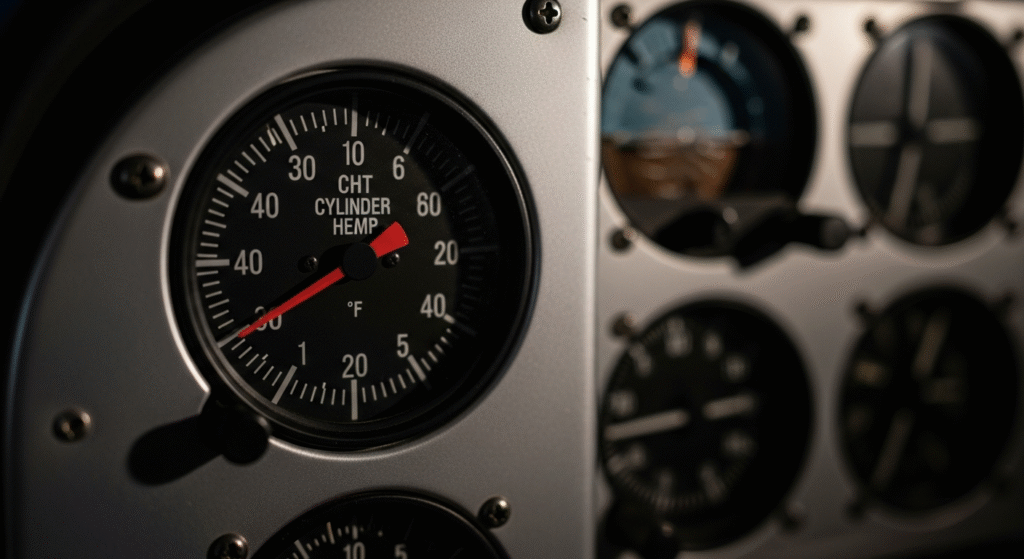

Cylinder Head Temperature is one of the most important things to watch if you want your engine to work well. When you hear about cylinder head temperature, it simply means how hot the top part of your engine, called the cylinder head, is getting while your engine runs. This temperature tells a lot about how your engine is performing. If it gets too high, it can cause serious problems like engine knock, overheating, or even damage to important engine parts. Many people do not pay attention to cylinder head temperature, but knowing it can save you money and keep your car or motorcycle running smoothly for a long time. Your engine works hard every day, and checking the cylinder head temperature is like checking your body temperature when you are sick.
It tells you if something is wrong or if everything is working perfectly. Engines today are very advanced, but they still rely on good cooling systems and proper maintenance. Monitoring cylinder head temperature can help prevent engine failures, improve fuel efficiency, and ensure your vehicle runs safely. Modern vehicles often use sensors and gauges to measure this temperature accurately, but even older cars can benefit from manual checks and proper care. Understanding cylinder head temperature also helps mechanics make better decisions about engine tuning, cooling system upgrades, and fuel mixture adjustments. When cylinder head temperature is within the correct range, your engine.
What Cylinder Head Temperature Means and Why It Matters
Cylinder head temperature is the heat level at the top part of an engine where the combustion happens. It is very important because it tells us how well the engine is working. If this temperature gets too high, it can damage engine parts like the head gasket, valves, or pistons. Engines work best within a certain temperature range, and keeping cylinder head temperature under control helps the engine run efficiently. Drivers and mechanics watch this temperature to avoid problems such as overheating, knocking, or reduced engine power. Even small changes in cylinder head temperature can show if the cooling system, oil, or fuel mixture needs attention. Understanding it helps you take care of your car and saves money.
Normal Cylinder Head Temperature Range for Cars and Motorcycles
Every engine has a normal cylinder head temperature range that keeps it safe and working well. For most cars and motorcycles, the cylinder head temperature usually stays between 190°F and 250°F (88°C to 121°C), but this can vary depending on engine type. Staying within this range helps the engine run smoothly and prevents damage. If the temperature drops too low, the engine may not work efficiently, and if it rises too high, parts can warp or fail. Regular checks of coolant levels, oil, and thermostats help keep the temperature normal. Knowing the correct range for your vehicle is important for long engine life and safe driving.
Signs Your Cylinder Head Temperature Is Too High
High cylinder head temperature can cause serious engine problems if not noticed early. Signs include engine overheating, warning lights on the dashboard, unusual smells, smoke, and strange noises. You may also see loss of engine power or the car running rough. If the coolant boils or leaks, it is another clear sign of high temperature. Ignoring these signs can lead to costly repairs, such as blown head gaskets or warped engine parts. Monitoring cylinder head temperature regularly helps you catch problems before they become severe. By paying attention to these warning signs, you can act quickly, avoid engine damage, and keep your vehicle running safely and efficiently.
How to Measure Cylinder Head Temperature Safely
Measuring cylinder head temperature is easy and important for engine safety. You can use a cylinder head temperature gauge, infrared thermometer, or built-in sensors in modern vehicles. Make sure the engine is in good condition and follow the instructions carefully. Avoid touching hot engine parts directly because this can cause burns. Proper measurement helps you know if the engine is running too hot or too cold. Mechanics also use these readings to adjust fuel mixtures, ignition timing, or cooling systems. Regular checks prevent overheating and costly engine problems. Learning how to measure cylinder head temperature safely ensures your engine stays healthy and your vehicle performs well on the road.
Effects of High Cylinder Head Temperature on Engine Performance
High cylinder head temperature can reduce engine performance and cause serious damage. When the engine gets too hot, it can lose power, reduce fuel efficiency, and produce knocking or pinging sounds. Overheating can damage pistons, valves, and gaskets, leading to expensive repairs. High temperatures also stress engine oil and coolant, making them less effective at protecting the engine. Even short periods of extreme heat can shorten engine life. By keeping cylinder head temperature under control, engines run smoothly, fuel consumption stays low, and driving becomes safer. Regular monitoring and maintenance help prevent high temperatures and protect your engine from harm.
Tips to Keep Cylinder Head Temperature Under Control
Keeping cylinder head temperature under control is easy with the right habits. Always check coolant levels, replace old coolant, and make sure the radiator and water pump work well. Avoid overloading the engine or driving in extreme heat without breaks. Use high-quality engine oil and change it regularly to protect moving parts. Cleaning the radiator and checking the thermostat helps maintain proper cooling. For performance vehicles, consider using additional gauges or sensors for better monitoring. These small steps prevent overheating, engine damage, and costly repairs. Staying proactive with maintenance keeps your engine strong, efficient, and safe, making driving more enjoyable and stress-free.
Cylinder Head Temperature in Racing and High-Performance Engines
Racing and high-performance engines generate more heat than normal engines, making cylinder head temperature monitoring very important. These engines often run at high RPMs and produce extra power, which can push temperatures higher than regular cars. Drivers and mechanics use special gauges, sensors, and cooling systems to keep temperatures in check. Overheating can lead to blown gaskets, warped heads, or engine failure, especially in long races or extreme conditions. Proper fuel mixtures, high-quality oils, and upgraded cooling systems help maintain safe temperatures. By watching cylinder head temperature carefully, performance vehicles stay reliable, efficient, and safe, even under demanding racing conditions.
Conclusion
Cylinder head temperature is very important for all engines. Watching it helps you keep your engine safe and working well. If it gets too high, your car or motorcycle can get damaged. Simple habits like checking coolant, changing oil, and cleaning the radiator make a big difference. Even in hot weather or long trips, paying attention to temperature protects your engine. High-performance and racing engines need extra care because they get hotter faster. Using gauges and sensors helps drivers know if something is wrong. Learning about cylinder head temperature keeps your engine strong, saves money, and makes driving easier. Always take care of your engine, and it will take care of you.