
Introduction
|
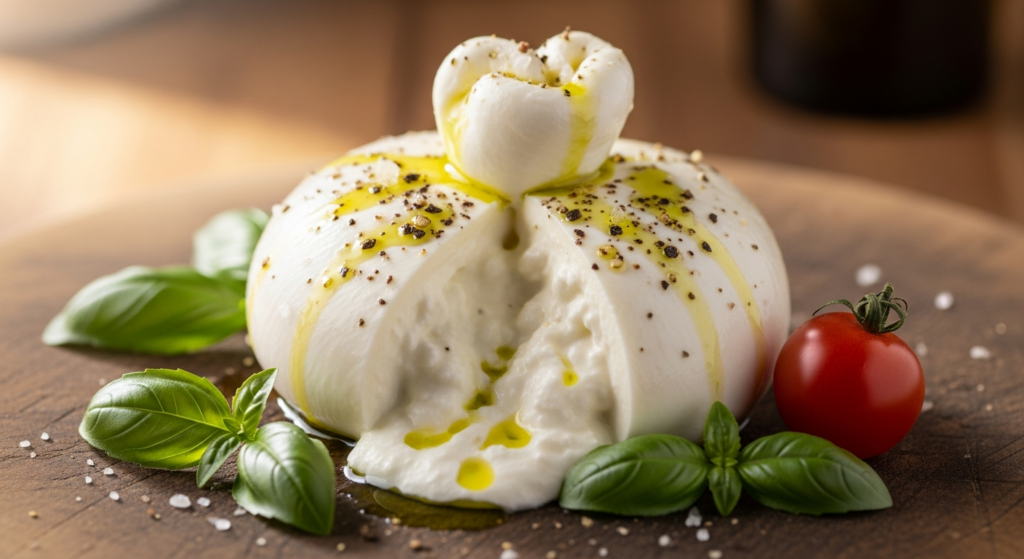
“A celebration of freshness, craftsmanship, and indulgence in every bite.” |
Introduction to Burrata Cheese
Burrata cheese is one of the most luxurious and indulgent cheeses in the culinary world. Hailing from the Apulia region of southern Italy, it is celebrated for its unique combination of textures—a firm mozzarella exterior with a soft, creamy interior. Its name, derived from the Italian word “burro,” meaning butter, reflects the rich, buttery flavor and luscious texture that make burrata cheese a favorite among chefs, food enthusiasts, and home cooks alike. This cheese has evolved from a humble local creation into a global culinary sensation.
The Origins of Burrata Cheese
Burrata cheese originated in the early twentieth century as a resourceful solution by Italian cheesemakers. To minimize waste, leftover mozzarella curds were combined with fresh cream and enclosed in a mozzarella pouch. This combination created a cheese that was both practical and indulgent. Over time, burrata became synonymous with Italian culinary craftsmanship, admired for its ability to elevate simple ingredients into extraordinary dishes. Its rustic beginnings contrast with its modern-day status as a gourmet delicacy.
How Burrata Cheese Is Made
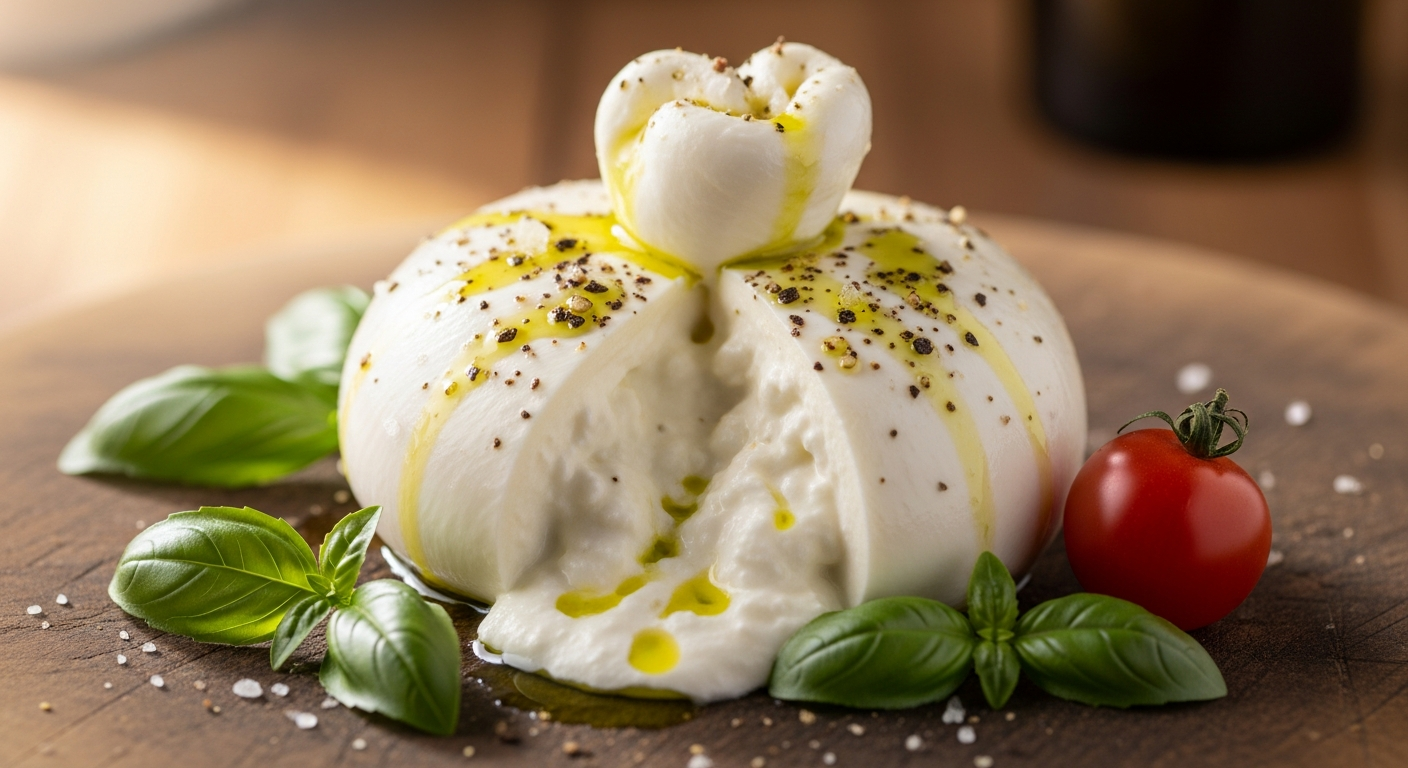
The production of burrata cheese is an art that requires skill and precision. The outer shell is made from mozzarella, stretched and shaped while warm to form a smooth, elastic covering. The inside filling, known as stracciatella, is a mixture of shredded mozzarella curds and fresh cream. This creamy center gives burrata its signature flowing texture. Once the stracciatella is encased, the pouch is sealed carefully to maintain the delicate balance between the firm exterior and the creamy interior. The craftsmanship ensures that every bite delivers a perfect combination of textures.
Flavor Profile and Texture
Burrata cheese is renowned for its delicate, fresh flavor. Unlike aged cheeses, it is mild, milky, and slightly sweet. The mozzarella shell provides a gentle chew, while the creamy interior spreads across the palate, creating a luxurious, buttery sensation. This contrast between firm and creamy textures is what distinguishes burrata from other fresh cheeses like mozzarella or ricotta. Burrata’s subtle flavor allows it to complement a wide range of ingredients without overpowering them, making it versatile in both simple and elaborate dishes.
Traditional Uses in Italian Cuisine
In traditional Italian cuisine, burrata cheese is often enjoyed in its simplest form to highlight its freshness. It is commonly served with ripe tomatoes, fresh basil, a drizzle of extra virgin olive oil, and a touch of sea salt. This classic preparation emphasizes the cheese’s natural creaminess. Burrata is also paired with cured meats, grilled vegetables, and fresh bread. Minimal preparation is a hallmark of Italian culinary philosophy, showcasing high-quality ingredients without unnecessary embellishment.
Modern Culinary Applications
Beyond traditional pairings, burrata cheese has gained popularity in modern and international cuisine. It is used as a topping for pizzas, adding richness and a creamy texture to each bite. Burrata is also incorporated into pasta dishes, salads, and roasted vegetable plates. Some innovative chefs even use it in desserts, combining its creaminess with sweet fruits or pastries. Its versatility allows burrata to enhance a variety of dishes, from casual weeknight meals to high-end gourmet creations.
Nutritional Value
Burrata cheese is not only indulgent but also offers nutritional benefits. It is a source of protein, calcium, and essential fats derived from high-quality milk. However, due to the creamy stracciatella filling, burrata is higher in fat than standard mozzarella. While it should be enjoyed in moderation, it can still be part of a balanced diet when paired with fresh vegetables, whole grains, or fruits. Its richness is best appreciated in small portions to savor its flavor without overindulgence.
How to Select and Store Burrata Cheese
Choosing the right burrata cheese is essential for the best culinary experience. Freshness is key, as burrata is best consumed shortly after production. The exterior should look smooth and moist, and the interior should be creamy and fragrant. Burrata should be stored in the refrigerator and consumed within a few days. Serving it at room temperature enhances its creaminess, allowing the flavors to develop fully. Proper handling ensures that the cheese retains its texture and luxurious taste.
Burrata Compared to Other Cheeses
While burrata shares some similarities with mozzarella and ricotta, it is distinct in its composition and experience. Mozzarella is firmer and lacks the creamy interior, while ricotta has a grainier texture and slightly different flavor. Burrata combines structure and creaminess in a single product, offering a unique sensory experience that is unmatched by other cheeses. This combination of textures and flavors is what makes burrata a prized ingredient for both chefs and home cooks.
Global Popularity and Cultural Significance
Burrata cheese has gained global recognition due to its quality, flavor, and visual appeal. As international cuisine evolves, burrata has become a symbol of Italian culinary artistry on menus worldwide. Its creamy interior and elegant presentation make it a favorite for both casual dining and fine dining establishments. The cheese’s popularity reflects a broader appreciation for artisanal, fresh, and high-quality ingredients that elevate dishes without complexity.
Pairing Burrata Cheese with Other Foods
Burrata pairs exceptionally well with fresh vegetables, fruits, and herbs. Tomatoes, basil, arugula, and olive oil are classic companions that highlight its creaminess. Acidic ingredients like balsamic vinegar or citrus cuts through the richness, balancing the palate. It can also complement cured meats, nuts, and even sweet elements like figs or berries. Thoughtful pairings allow burrata to shine as the centerpiece of a dish or as a luxurious accompaniment to other flavors.
Conclusion
Burrata cheese is a celebration of freshness, craftsmanship, and indulgence. Its firm mozzarella exterior and creamy interior create a unique texture that delights the senses and elevates any dish it touches. From its rustic origins in southern Italy to its place on international menus, burrata has proven its enduring appeal. Whether enjoyed simply with fresh tomatoes and olive oil or incorporated into innovative culinary creations, burrata cheese offers a luxurious experience that embodies the elegance and simplicity of Italian cuisine.