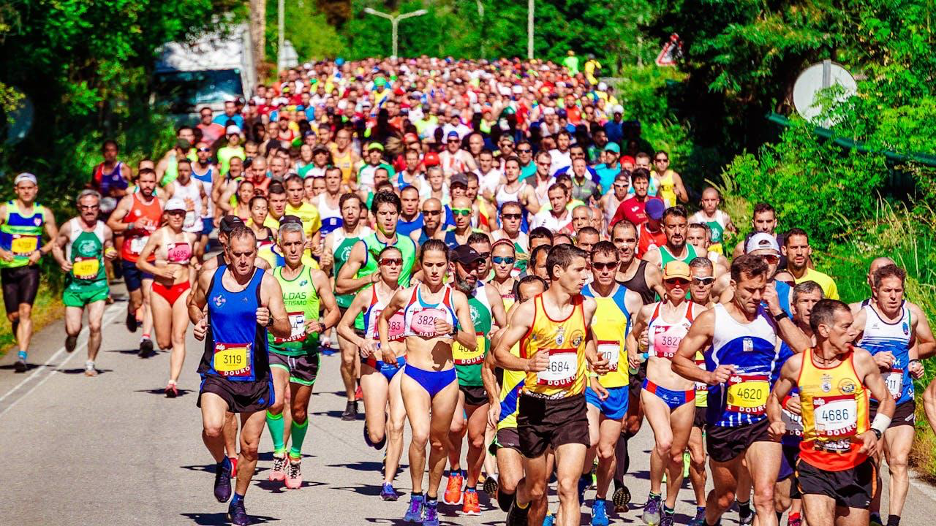

Banners, routes, and steady runners may streamline a large race day. However, a volunteer crew keeps things together in real time under that peaceful surface. They answer enquiries, help confused participants, identify concerns before they escalate, and set the event’s tone from start to finish. Well-prepared days are more manageable and enjoyable.
Especially in mass participation races, magnitude matters. A little registration delay can cause a congested start. Missing instructions at a water station can cause route confusion. Thus, volunteer preparation goes beyond simply filling a duty. It involves equipping individuals with confidence, clarity, and assistance to handle hectic, unpredictable, or stressful situations.
Start With Role Clarity
Volunteers without roles can quickly create race-day complications. Even enthusiastic people halt when instructions are unclear. This reluctance might slow decisions. Volunteers must know where to be, who to report to, and what to decide. Course marshals need a separate briefing from registration/hydration teams. Clear roles prevent overlap, confusion, and pressure-induced team unease. It also defines the roles of event participants. Understanding the task’s aim improves volunteer performance. Running directions at a junction go beyond left and right. Maintain flow, decrease reluctance, and protect runners.
Prepare for Disruptions
Race day rarely goes as planned. Weather changes. Delivery can be late. A runner may require unexpected help. Crowds may grow faster than expected. Instead of assuming a faultless timetable, good volunteer preparation provides for such situations. This approach means training should include actual scenarios. What should a volunteer do if a participant is sick? If check-in lines back up, what happens? Who intervenes if signs are moved or ignored? A brief, scenario-based lecture can help people practice decisions before they are made publicly. Preparedness also calms. Volunteers who have discussed disruptions are less likely to freeze or confuse participants. The event feels more stable when they remain measured.
Maintain Simplicity in Communication
On race day, complexity rarely helps. Volunteers with practical knowledge who can quickly recall and apply it are essential under pressure. Overloaded documentation, lengthy briefings, and elaborate directions are likely to fail during the event. The best systems are basic. Provide volunteers with clear contact information, a brief reference sheet, and a consistent mechanism for escalating issues. Ensure they know important times, locations, emergency procedures, and event priority. Use direct, regular language on radios and messaging groups.
Gain Confidence Before the Day
People work better when cared for. Volunteers and runners benefit equally. Uncertainty, haste, and ignorance hurt a team. Simple measures count. Send directions early. Ensure that arrival arrangements are communicated clearly. Tell volunteers what to wear and bring, and what on-site support is available. On the day, meet them, make them comfortable, and make supervisors accessible.
Course Differences Show
A well-equipped volunteer team goes beyond chores. It shapes the event experience. Runners notice the calm, informed, and present support staff. Organisers notice a significant difference when they resolve issues early. A structured, relaxed atmosphere attracts spectators.
Volunteer preparation is crucial before major races. The best teams aren’t only time-giving. They can act well when it counts. In an event where timing, safety, and participant experience are important, preparation is one of the clearest signs of a well-run race.
Image attributed to Pexels.com