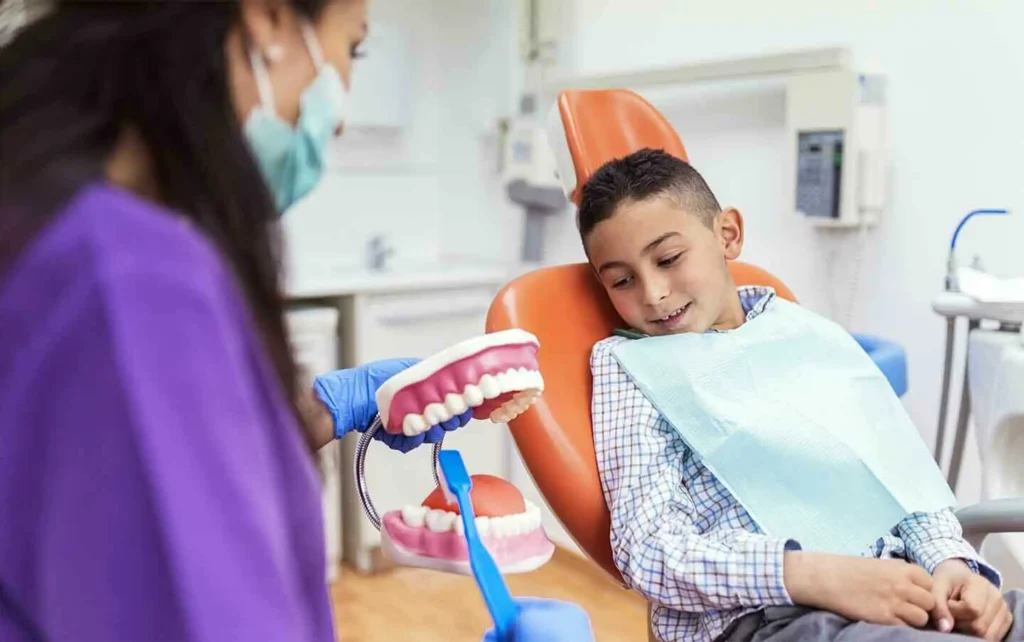

Keeping tabs on your child’s oral health can feel like a juggling act, particularly when you’re not quite sure what warning signs deserve attention between those routine dental visits. Kids aren’t always great at expressing when something hurts or feels off in their mouths, which means you’ll need to become a bit of a detective. Catching dental issues early can spare your child from more serious problems down the road, the kind that might require extensive treatment nobody wants to deal with. When you stay alert and informed, you’re setting your child up for a healthy smile that lasts well into adulthood.
Persistent Tooth Pain or Sensitivity
When your child keeps complaining about tooth pain or seems bothered by sensitivity, that’s your cue to pay close attention. Discomfort while eating, drinking, or even just breathing in cold air often points to something brewing beneath the surface, maybe a cavity, a cracked tooth, or even an exposed nerve. If hot or cold foods and beverages cause reactions that linger beyond a few seconds, professional evaluation becomes necessary. Kids can be tough to read sometimes; they might downplay their pain or struggle to pinpoint exactly where it hurts, so watch for changes in eating habits or sudden pickiness about certain foods.
Bleeding or Swollen Gums
Healthy gums have a firm, pink appearance, so when you spot bleeding or swelling, it’s worth taking seriously. Blood showing up on your child’s toothbrush, in the bathroom sink after brushing, or during flossing sessions could signal gingivitis or other gum issues developing. Gums that look red, feel tender, or appear swollen might be dealing with inflammation from plaque buildup, less, than-perfect brushing technique, or even early periodontal disease. Some minor gum irritation can happen when new teeth are coming in or when kids first start learning to floss properly, but symptoms that stick around need professional eyes on them.
Visible Tooth Damage or Discoloration
Anytime you notice changes in how your child’s teeth look, chips, cracks, unusual colors, or dark spots, that’s your signal to get a dental appointment on the books. Those white or brown spots on tooth enamel might be decay just getting started, not causing pain yet but definitely needing treatment before things progress. Teeth that turn gray, black, or noticeably darker than their neighbors could be dealing with internal damage, trauma, or dying nerves that require immediate attention. Physical damage from falls, sports mishaps, or chomping down on hard objects creates vulnerable spots where bacteria can sneak in, even when your child isn’t feeling any discomfort. When monitoring visible tooth changes, parents who need to address concerning symptoms often consult with a pediatric dentist in Escondido for thorough evaluation and treatment options. Spotting and treating these visible problems early can often save the tooth in question and help you avoid more invasive procedures later on.
Bad Breath That Does Not Improve
Everyone has morning breath or funky breath after eating certain foods, but persistent bad breath that regular brushing can’t fix might point to a dental issue. Chronic halitosis in kids can come from cavities, gum disease, or food particles getting stuck in places regular brushing just can’t reach. Sometimes the smell comes from bacteria hanging out on the tongue, which a dental professional can help address through proper oral hygiene coaching. If your child brushes regularly and thoroughly but the odor keeps coming back, there might be an underlying infection or abscess that needs treatment.
Difficulty Chewing or Changes in Bite
When your child suddenly struggles with chewing food, mentions that their teeth feel weird when they bite down, or shows changes in how their teeth fit together, professional assessment becomes important. Misalignment can develop as kids grow, and getting an early orthodontic evaluation can prevent more complicated issues from taking root later. Pain during chewing might mean there’s a cavity, cracked tooth, or abscess lurking that needs treatment before infection spreads to surrounding areas. You might also catch your child chewing mostly on one side of their mouth, which often signals discomfort happening on the opposite side.
Loose Teeth Outside Normal Development
Losing baby teeth is completely normal and expected during childhood, but loose teeth that don’t match the typical timeline or happen because of an injury need dental attention. A loose permanent tooth counts as a dental emergency and requires immediate care to potentially save that tooth from being lost. Teeth that get knocked loose from impact might seem to firm back up on their own, but hidden internal damage could still be lurking and lead to complications without proper examination. Additionally, teeth loosening because of advanced decay or gum disease indicate serious problems requiring professional intervention to stop further damage in its tracks.
Conclusion
Being able to recognize these six signs puts you in the driver’s seat when it comes to protecting your child’s dental health and stopping small issues before they snowball into bigger headaches. Combining regular dental checkups with your careful observation at home creates the strongest defense against oral health complications that could impact your child’s overall wellbeing and development. Keep in mind that children count on you to spot problems they might not recognize themselves or know how to communicate effectively, which makes your role as an attentive parent absolutely essential. When you notice any of these warning signs, getting that dental appointment scheduled quickly can spare your child from unnecessary pain and help preserve their natural teeth for the long haul.