

If you or a loved one are starting hormone therapy, you might feel overwhelmed by all the choices. Using an Estradiol Patch Dosage Chart is a great way to understand how this treatment works. These patches are a popular way to manage menopause symptoms. They deliver steady hormone levels directly through your skin. This guide will help you understand the basics in simple terms. Always remember that your doctor is the best person to guide your specific health journey.
What Is an Estradiol Patch?
An estradiol patch is a thin, adhesive strip. It holds a specific amount of estrogen. You stick it onto your skin, usually on your lower belly or buttock. The medicine passes through your skin and into your bloodstream. This is a very common method for menopause hormone therapy. Because it does not go through your digestive system, it is often easier on the body than pills.
Why Use an Estradiol Patch Dosage Chart?
Doctors use an estradiol patch dosage chart to keep track of your treatment. Every person is different. What works for one person might not work for another. The chart helps your doctor start you at a safe level. They can then adjust your estradiol transdermal system based on how you feel. It is a visual tool that makes complex medicine much easier to understand.
Common Dosages and What They Mean
You will often see several numbers on your estradiol patch dosage chart. Common strengths include 0.025 mg, 0.05 mg, 0.075 mg, and 0.1 mg. These numbers represent how much medicine enters your body every day. Many people start with a lower dose to see how their body reacts. Your doctor wants to find the lowest effective dose that stops your symptoms.
Quick Reference: Estradiol Patch Dosage
| Patch Strength (mg/day) | Common Purpose |
| 0.025 mg | Often for bone health or mild symptoms |
| 0.0375 mg | Typical starting dose for many users |
| 0.05 mg | Common “standard” dose for symptoms |
| 0.075 mg | Used for stronger symptom relief |
| 0.1 mg | Often the highest standard strength |
How to Apply Your Patch Correctly
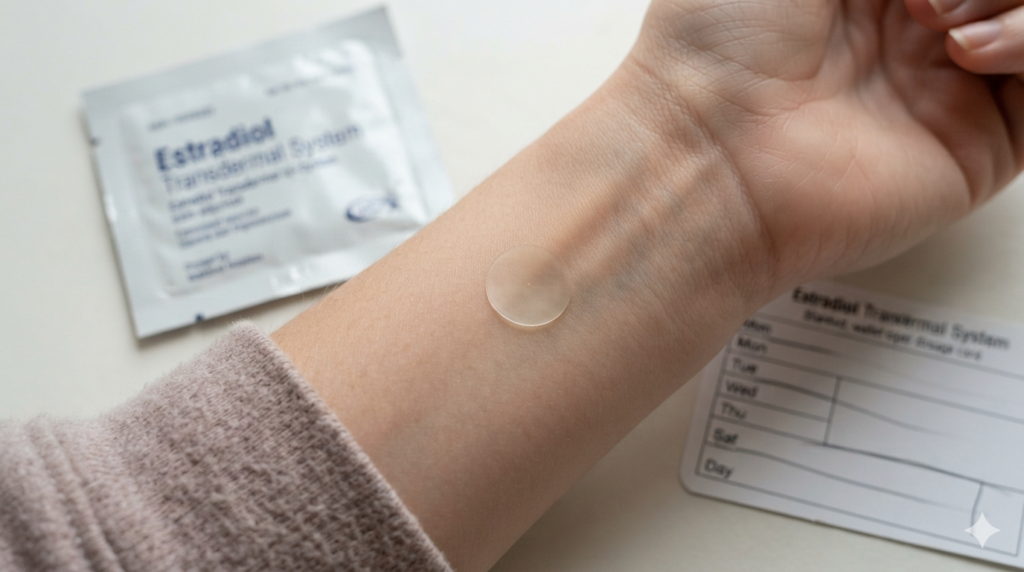
Applying the patch properly is very important. Always start with clean, dry skin. Choose an area like your lower abdomen or buttocks. Avoid your waistline, as clothing can rub the patch off. Never put it on your breasts. Make sure you press it down firmly with your palm for about 10 seconds. Using a new spot each time prevents skin irritation. Your estradiol patch dosage chart can remind you to rotate your application site regularly.
How Often to Change the Patch
Depending on the brand, you may change your patch once or twice a week. Some people use a twice-weekly estradiol patch, while others use a weekly one. It is helpful to mark your calendar so you do not forget. If you ever miss a dose, put on a new one as soon as you remember. Do not wear two at once to make up for a missed one.
Managing Potential Side Effects
Most people feel much better after starting treatment, but some side effects can happen. You might notice skin redness where the patch was. Headaches or breast tenderness are also possible. If these happen, they often go away as your body gets used to the hormones. If you feel worried, always call your doctor. They might suggest a different dose from the estradiol patch dosage chart to help you feel better.
Understanding Hormone Replacement Therapy
Using an estradiol patch dosage chart is just one part of hormone replacement therapy (HRT). HRT is designed to replace the estrogen your body is no longer making on its own. This helps with hot flashes, night sweats, and bone thinning. It is a safe and effective way to improve your quality of life during and after menopause. Always keep open communication with your healthcare team.
Benefits of Transdermal Delivery
Many people prefer the transdermal estrogen method. Because the medicine enters the blood directly, it skips the liver. This can lead to a lower risk of certain side effects compared to oral tablets. It provides a very smooth and constant level of hormones all day long. This consistency is why many women find this method more comfortable and easier to manage.
Important Safety Considerations
Safety is the most important part of any treatment. Tell your doctor about your health history, including any history of blood clots or heart issues. Even though patches are generally safe, everyone has different risks. Never share your patches with anyone else. Always store them at room temperature in their original pouches to keep them effective until you are ready to use them.
Monitoring Your Progress
Your doctor will likely want to check in on you every 3 to 6 months. During these visits, they will look at your estradiol patch dosage chart and see how you are doing. They will ask if your symptoms have improved. If you still have symptoms, they might increase your dose. If you feel great, they might try to lower it. This helps you get the most benefit with the least amount of medicine.

Frequently Asked Questions (FAQs)
1. What is the standard starting dose for an estradiol patch?
Many doctors start with 0.0375 mg or 0.05 mg. It depends on your symptoms and history.
2. Can I cut my estradiol patch to change the dose?
No, never cut the patch. It can ruin the delivery system and make it work incorrectly.
3. What should I do if my patch falls off?
If it falls off, try to put it back on. If it won’t stick, use a new patch on a fresh area.
4. Is the 0.05 mg dose considered “low-dose”?
“Low-dose” is relative. It is often a moderate dose. Your doctor will define what is best for you.
5. How long will I need to use the patch?
Treatment is usually for the shortest time needed to manage symptoms. Your doctor will reevaluate this regularly.
6. Where can I find my specific dosage information?
Always look at the label on your prescription box or your doctor’s official instructions.
Conclusion
Managing menopause symptoms does not have to be a confusing process. By using an estradiol patch dosage chart and working closely with your doctor, you can find the right balance for your body. The goal is to help you feel your best with the lowest effective dose. Do you have any other questions about how to manage your hormones, or would you like to know more about the different types of patches available.