
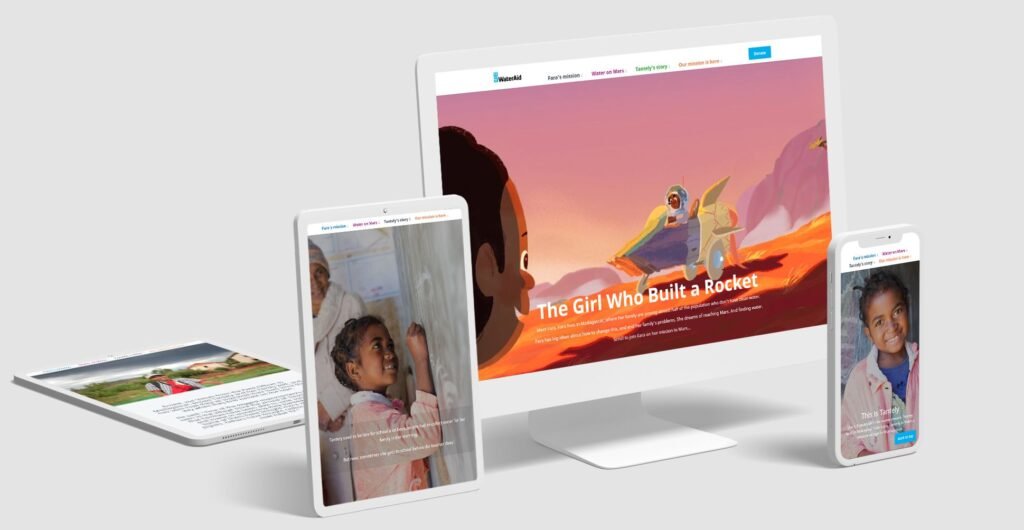

Visual storytelling has experienced a significant shift in recent years. Technology and creativity now combine to create new ways for expression. Creators can bring their ideas to life more easily than before. Digital artists, marketers and content developers use tools that turn written concepts into visual stories quickly.
The progress of image generation technology has made creative production more accessible across industries. What once required extensive technical skill, expensive equipment and hours of painstaking work can now be accomplished through intuitive interfaces and thoughtful text prompts. This shift has particularly benefited small businesses and independent creators who previously lacked resources for professional visual content.
These advances have sparked new conversations about the nature of creativity itself. As the boundaries between human imagination and computer-generated imagery continue to blur, artists are finding new ways to include these tools in their workflows. The result is a rich new visual language that combines the efficiency of automation with the subtlety of human creative direction.
How AI Image Generation Is Changing Visual Content Creation
The market for AI image generation is growing rapidly, with expectations that it will continue to expand in the coming years. This growth shows how these tools are reshaping visual content creation across industries. Artists and marketers now produce images matching their vision by describing what they want to see.
This process enables anyone, even those without art training, to quickly transform ideas into custom visuals. Clear descriptions yield the best results. Word choice directly influences style and quality of the generated images.
The technology behind these tools continues to improve from earlier approaches. Modern systems primarily use diffusion models, which transform random noise into coherent images based on text descriptions. This represents a major improvement over previous systems.
The computational requirements for running these models have decreased substantially. What once required specialised hardware can now run on consumer devices or through cloud services. Small businesses can design promotional materials without a full design team, while educators can illustrate lesson plans quickly.
The Technical Progress Behind Modern Image Generation
Today’s image generation systems reflect years of technical progress. The shift from GANs to diffusion models has improved image quality and creative control. These newer models process text instructions with greater detail, interpreting descriptions and artistic styles.
The integration of natural language processing allows users to communicate their vision in everyday terms. Cloud computing has made these resource-intensive models widely accessible. Users can now generate high-quality images without investing in expensive hardware.
This wider reach extends creative capabilities to individuals and organisations regardless of technical resources. It has fundamentally changed who can participate in visual content creation.
Practical Applications of Text-to-Image Tools in Professional Workflows
Marketing teams are adopting AI-generated visuals to meet production demands across campaigns. Advanced text-to-image platforms allow fast development of concept art, graphics for social channels, and promotional materials. While some workflows require additional editing, tools such as Adobe Firefly text to image provide prompt-driven control within a professional design ecosystem.
Product teams now use AI image generators for visualisation and prototyping of new concepts. Instead of waiting for a photo shoot, teams can produce various product images in different contexts or styles. This saves time and resources while allowing for creative experimentation during early project phases.
Digital publications benefit from AI-generated illustrations that match an article’s theme or message. Editors can get visual assets tailored to their needs faster than traditional commissioning or stock search. As AI tools become standard in publishing workflows, the volume of custom imagery that matches editorial requirements is increasing.
Social media managers tackle content demands more efficiently thanks to AI tools. Maintaining a uniform brand presence across platforms becomes more manageable. Visually aligned posts can be produced at scale, supporting regular updates and campaign consistency.
Mastering Effective Prompts for Better Visual Results
Creating effective prompts requires both skill and careful thought. The most successful prompts include specific details about subject, style, lighting, composition, and mood. Vague requests typically yield disappointing results, while detailed descriptions produce more precise outcomes.
Prompt guides recommend focusing on clear, descriptive language to achieve the best results from AI image generators. Common mistakes include using overly abstract concepts, conflicting elements, or technical terms the AI doesn’t understand.
For example, asking for “a feeling of nostalgia” without concrete details will likely produce generic results. Instead, specifying “a sun-faded photograph of a 1980s living room with warm afternoon light” provides clear guidance.
Consistency across multiple generations requires systematic approaches to prompting. Many professionals develop prompt templates that include standard elements like style, lighting, and composition. They then modify specific content elements while maintaining the structural framework.
The Ethics and Governance of AI-Generated Imagery
Content provenance is now central in digital media because audiences and businesses need to know where images originate. Without traceable origins, AI-generated visuals could pose risks for misuse, copyright issues, and loss of trust. Systems such as Content Credentials address these challenges by attaching metadata about authorship and editing history to image files.
When someone opens an AI-generated image, these details allow them to check its creation process and verify changes. This transparency helps prevent confusion and sets a verified standard for authenticity. This is especially important for commercial and editorial uses.
Licensing considerations can introduce risk for commercial use of AI-generated content. Businesses should review the terms of service for their chosen AI tools. Some providers limit commercial rights or require attribution, while others supply more straightforward commercial usage permissions.
Regulatory guidelines for AI-generated media vary globally. The UK and EU are developing policies that address transparency and accountability in AI systems. These regulations aim to protect creators while supporting progress in the field.
Visual Storytelling Techniques Improved by AI Tools
Sequential image creation helps storytellers build visual narratives with recurring characters and stable settings. Using consistent features across prompts ensures characters look the same from one scene to the next. This makes it easier for viewers to follow the story.
Creators typically write detailed prompts that repeat key descriptors for characters, locations, and scene lighting in each image request. For example, if a story’s main figure is “a girl in a blue coat with curly hair in a snowy park,” each prompt for a new scene repeats those details while only changing the action or situation.
Manual correction and prompt adjustment are often needed to maintain continuity. This shows that human oversight remains essential in the process. Combining AI generation with traditional design elements creates hybrid workflows that draw on the strengths of both approaches.
AI tools help brands maintain visual consistency across platforms. A brand can create one main design and then quickly make different versions for various media channels. Each version keeps the same colours and style so people recognise the brand every time.
Achieving Creative Success With AI-Driven Visual Workflows
AI-powered image generation has become central to digital creativity, offering efficient ways for professionals and independent creators to produce compelling visuals on demand. Mastering detailed prompts and integrating tools provides flexible, reliable results that keep brands consistent and stories engaging.
With a clear knowledge of both the technical workflow and the importance of licensing and provenance, content teams can build workflows that are efficient, responsible, and comply with the latest ethical standards and regulatory guidelines. Using these methods ensures creative output remains authentic, accountable, and suited for professional use.