
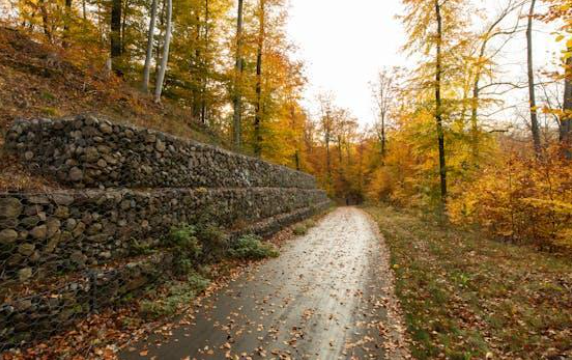

Outdoor space never behaves like a blank sheet. Ground rises, slumps, drains badly, bakes in the sun, then turns to sludge after a week of rain. Retaining structures step into that mess and impose a kind of discipline. Gentle discipline was also absent. They decide where feet go, where water goes, where eyes rest, and where a child can run without tumbling down a bank. Good ones vanish in the scene. Bad ones shout. Either way, they choreograph the whole experience.
Terraces, Not Tumbles
Slopes look romantic in photographs. In real gardens, they waste space and cause ankle injuries. In this context, retaining wall systems are beneficial. They slice a hillside into usable rooms, like shelves in a bookcase, each one ready for a bench, herbs, a small lawn, or even a fire bowl. The change feels immediate. People stop hovering at the edge and start occupying the ground. The clever trick lies in proportion. Low walls invite sitting. Tall walls demand respect and careful detailing. Planting pockets can soften the face and stop it from reading like a barricade.
The Quiet Argument with Water
Water never negotiates. It goes where gravity tells it, and it takes soil with it when the opportunity appears. A retaining structure can either join that fight or lose it loudly. Drainage behind the wall, falls that steer runoff, and surfaces that shed water without turning into skating rinks decide whether an outdoor area feels calm or constantly damp. One sees it in winter. Paths stay firm. Planting stays put. That sense of order reads as comfort, even when nobody mentions drains.
Edges that Change Behaviour
Humans follow edges. It’s ancient. A wall line becomes a route, a boundary, a promise of safety. In small spaces, a retaining face becomes a backrest, then an informal meeting spot, and finally the place where mugs of tea gather. In larger sites, it frames some views while blocking others, and this act feels like editing a film. The scene tightens. The eye lands where the designer wants it to land. Nobody calls it psychology. It still works. Lighting loves edges, too. A simple uplight can turn a wall into evening theatre.
Materials that Broadcast Values
Concrete can look crude. It can also look crisp, modern, and unapologetic. Stone can feel timeless or fussy, depending on coursing and colour. Timber signals warmth, then quietly demands maintenance. Gabions scream practicality and sometimes charm, as industrial baskets turned into furniture. Each choice shapes how people judge the place before they even sit down, influencing their overall experience and comfort. Texture matters under the hand. A smooth cap invites leaning. A rough top discourages it. A well-built wall tells visitors that the ground has a plan. A flimsy one suggests shortcuts everywhere else, even if the planting looks lush. Craft shows in the joints.
Conclusion
Retaining structures do more than hold soil. They affect garden mobility, comfort, sound, and social behaviour. They determine whether a room feels like awkward compromises or deliberate stages. Ignore them, and the site stays the same. Respect them, and nature becomes easy to use, maintain, and surprisingly generous. The best work appears inevitable, as if the land was meant to behave that way and needed permission. Walls have a strange power. People react without thinking when the ground story shifts.