
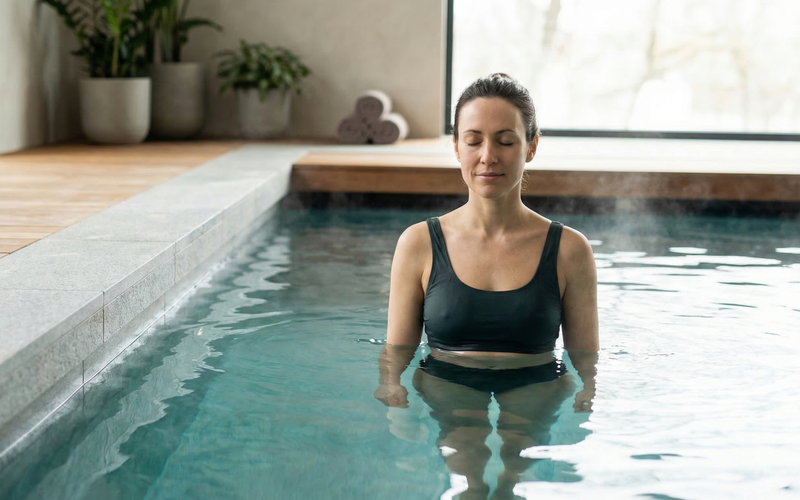

Many people have heard the word hydrotherapy, but not everyone knows what it really means. Some think it only refers to hot tubs or spa treatments. Others connect it only with physical therapy. In reality, hydrotherapy is a broad term. It describes the therapeutic use of water for comfort, movement, recovery, and general support in health and wellness settings.
If you have ever wondered what is hydrotherapy, the simplest answer is this: it is the use of water in different forms and temperatures to help the body feel better and function more comfortably. It can involve warm baths, cold water, pool-based exercise, water jets, steam, or other water-based methods. In some settings, it is used in rehabilitation. In others, it is part of a relaxation or recovery routine.
Hydrotherapy has been used in different cultures for a very long time. People have turned to mineral springs, baths, and thermal water for centuries. Today, the idea remains similar, but the language is often more specific. In modern use, hydrotherapy may include simple home practices, structured exercise in water, or supervised rehabilitation in a clinical setting.
A Simple Definition of Hydrotherapy
Hydrotherapy means using water as a therapeutic tool. The goal can vary from person to person. Some people use it to relax tight muscles. Some use it to support low-impact movement. Others use it to reduce the physical stress that land-based exercise can place on joints.
Water can be applied in many ways. It may be warm or cold. It may involve full-body immersion or only a local area. It may be passive, like soaking in warm water. It may also be active, such as moving or exercising in a pool.
This is one reason the term can feel broad. Hydrotherapy is not one single technique. It is a category that includes many water-based approaches.
Why Water Can Be Helpful
Water has several physical properties that make it useful in therapeutic settings. These properties change how the body moves, feels, and responds during activity or rest.
Buoyancy
Buoyancy helps support body weight in water. When a person is partly submerged, the body feels lighter. This can reduce stress on joints, bones, and muscles. For people who find movement difficult on land, this can make exercise feel more manageable.
This is one of the main reasons pool-based movement is often used in rehabilitation and gentle exercise programs. The body can move with less impact, and that often improves comfort.
Hydrostatic Pressure
Water applies pressure evenly around the body. This is called hydrostatic pressure. It can create a feeling of support during movement. Some people also find that it helps them feel more stable in the water.
This supportive pressure is one reason water-based exercise may feel different from land-based exercise. The environment itself helps shape the movement experience.
Viscosity and Resistance
Water creates resistance in all directions. Every movement through water takes effort. This means a person can work on strength or endurance without needing heavy equipment.
The faster the movement, the greater the resistance. This makes hydrotherapy flexible. Slow movement can feel gentle. Faster movement can feel more challenging.
Temperature
Temperature matters a lot in hydrotherapy. Warm water is often linked with relaxation, comfort, and easier movement. Cold water is more often used in short-term recovery routines or after physical activity. Some methods alternate between warm and cold water.
Warm water can help stiff movement feel easier for some people. Cold water may feel useful after exertion or when people want a more refreshing recovery approach. The right choice depends on the situation, the person, and the goal.
Common Uses of Hydrotherapy
Hydrotherapy is used in many settings. Some are clinical. Some are recreational. Some are part of daily home routines. The method depends on the need.
Support for Joint Comfort and Mobility
One common use of hydrotherapy is to support people who want lower-impact movement. Water can reduce the load on the joints. This may help some people move more comfortably than they can on land.
That is why hydrotherapy is often discussed in connection with stiffness, mobility concerns, and gentle exercise.
Rehabilitation and Recovery
Hydrotherapy is also used in rehabilitation settings. In these cases, movement in water may be supervised and planned. The goal may be to rebuild strength, improve range of motion, or help a person return to activity after a period of limited movement.
The water environment can make certain exercises easier to begin. It can also allow gradual progress in a more supported setting.
Relaxation and Muscle Ease
Warm water immersion is commonly used for relaxation. Many people find that a warm bath helps them unwind after a long day. It may also help reduce the feeling of muscular tightness.
This does not mean hydrotherapy is only about comfort. But relaxation is still an important part of how water can support well-being.
Low-Impact Exercise
Some people use hydrotherapy as part of a regular exercise routine. Water-based movement can support activity without the same level of impact found in many land exercises. This makes it appealing to people who want a gentler way to stay active.
Recovery Routines
Cold water and contrast methods are also part of the broader hydrotherapy category. These approaches are often used in short sessions. People may use them after exercise or during recovery routines. Responses vary, and not every approach is right for every person, but they are commonly included under the umbrella of hydrotherapy.
Different Forms of Hydrotherapy
Hydrotherapy can take many forms. Here are some common examples.
Warm Baths
This is one of the simplest forms. A warm bath at home is widely accessible and easy to understand. It does not require special equipment beyond a bath and safe temperature control.
Pool-Based Exercise
This includes general movement or exercise in water. It may be done for fitness, mobility, or function. It is often chosen by people who want lower-impact activity.
Clinician-Supervised Aquatic Rehabilitation
In some settings, water-based therapy is guided by a trained professional. This is more structured than general pool exercise. It may be used as part of a broader rehabilitation plan.
Cold Water Use
Cold water methods may involve immersion, localized application, or short recovery routines. These methods are usually goal-specific and often shorter in duration.
Contrast Water Methods
This approach alternates warm and cold water. Some people use it as part of recovery practice. The exact method can vary.
Localized Water Treatments
Not all hydrotherapy is full-body. Some forms target one part of the body. This may include a sitz bath or another local water-based application.
How Hydrotherapy Differs From Related Terms
Hydrotherapy is often discussed alongside other terms such as water therapy, aquatic therapy, and balneotherapy. These terms are related, but they are not always exact matches.
Hydrotherapy is the broadest and most flexible term in many contexts. It can include active and passive methods. It can involve exercise, soaking, jets, steam, or temperature-based applications.
Aquatic therapy often refers more specifically to guided exercise or rehabilitation performed in water. The focus is usually on movement and treatment planning.
Balneotherapy usually refers to bathing in mineral-rich or thermal water. It is often associated with spa or thermal bathing traditions.
In practice, people may use some of these terms loosely. Still, it helps to understand that hydrotherapy is often the umbrella category.
How Hydrotherapy Works in Practice
The way hydrotherapy works depends on the method being used and the goal of the session. A person taking a warm bath for relaxation is using hydrotherapy differently from someone doing guided exercises in a therapy pool.
Still, the same general principles are at work. Water changes body loading. It changes temperature input. It adds resistance. It can also create a different sense of support and comfort during movement.
That is why the answer to what hydrotherapy is not just a dictionary definition. It is also a practical one. Hydrotherapy works by using the natural properties of water to change the physical experience of movement, recovery, or rest.
Is Hydrotherapy Always the Same for Everyone?
No. Hydrotherapy is not one-size-fits-all. Different people use it for different reasons. One person may want gentle movement. Another may want post-exercise recovery. Someone else may want a simple warm-water routine to help them relax.
The same method may not suit every individual. Water temperature, session length, supervision, and health status all matter. Some people can do simple forms at home. Others may need medical guidance before beginning.
This is especially important for people with heart conditions, balance concerns, open wounds, fever, or other health issues that may affect safety in the water.
A Balanced View of Hydrotherapy
Hydrotherapy is often described in positive terms, and many people do find it helpful. But it should be understood in a practical and realistic way. It is not a cure-all. It is best seen as a supportive approach that may help with comfort, movement, or recovery, depending on the situation.
For some people, its biggest value is that it makes movement feel more possible. For others, it offers a simple way to build a calming routine. In structured care settings, it may support rehabilitation goals when used as part of a broader plan.
Final Thoughts
Hydrotherapy is the therapeutic use of water in forms such as baths, pools, cold applications, jets, or guided aquatic exercise. It can support relaxation, low-impact movement, rehabilitation, and recovery. Its value comes from the unique physical properties of water, including buoyancy, pressure, resistance, and temperature effects.
For anyone asking what hydrotherapy is, the clearest answer is that it is a broad water-based approach used to support comfort, mobility, and function in many different ways. Some forms are simple enough to do at home. Others are more structured and supervised. What connects them is the same basic idea: water can change how the body moves and feels, and that can make it useful in both wellness and rehabilitation settings.