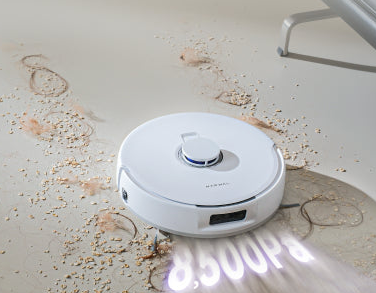

Household chores are a quiet but persistent source of stress in everyday life. Among all tasks, floor cleaning is one of the most repetitive and tiring. Dust, crumbs, and hair appear again shortly after cleaning. This constant repetition can slowly wear down patience and energy.
Many people feel pressure to keep their living spaces clean and comfortable. This pressure often grows when work, family, and personal time compete for attention. Cleaning floors then becomes more than a task. It becomes a mental burden that never fully disappears.
For this reason, automated cleaning tools have attracted growing interest. They promise to reduce effort and free up time. Yet a common question remains. Can they truly lower stress, or do they simply change how cleaning is done?
Why Floor Cleaning Causes So Much Stress
Floor cleaning feels stressful because it never feels finished. Homes collect dirt daily, especially in active households. Even after careful cleaning, new messes appear within hours. This makes the effort feel endless.
Time pressure adds another layer of stress. Cleaning often happens after long workdays or on weekends. These are moments meant for rest and recovery. When chores replace relaxation, frustration builds quickly.
There is also mental strain involved. Remembering when to clean and how often takes effort. Over time, this mental load becomes exhausting. Many people underestimate how draining this constant planning can be.
The Role of Automation in Daily Cleaning
Automation aims to reduce direct involvement in routine tasks. In cleaning, this means shifting from manual effort to scheduled maintenance. Instead of actively cleaning, users supervise from a distance. This simple change can affect how chores feel.
When cleaning runs automatically, people spend less time thinking about it. The task becomes part of the background of daily life. This can significantly reduce stress related to planning and reminders.
Automation also encourages consistency. Floors are cleaned more regularly without extra effort. Regular maintenance prevents dirt from building up. As a result, cleaning feels easier overall.
Consistency and Emotional Comfort
A consistently clean environment often feels calmer. Visual order can reduce feelings of chaos and overwhelm. Clean floors, though subtle, contribute to this sense of control.
This emotional comfort should not be underestimated. When people feel their home is under control, they often feel more relaxed. Small improvements in cleanliness can have a meaningful psychological impact.
Can a Robot Vacuum Actually Save Time?
Saving time is one of the main reasons people consider automated cleaning. A robot vacuum can operate while users work, relax, or leave the house. Cleaning no longer competes directly with personal time.
Although initial setup requires some attention, daily use is simple. Once routines are established, the device works independently. Over weeks and months, the saved minutes add up.
This reclaimed time can be used in more rewarding ways. Rest, hobbies, and family activities often benefit first. Even small time savings can improve daily satisfaction.
Reducing Mental Load Through Automation
Mental load plays a large role in household stress. Remembering tasks, planning schedules, and tracking progress all require effort. Automation removes much of this responsibility.
When cleaning happens automatically, people think about it less. This reduction in mental effort can feel just as valuable as physical time savings. Less mental clutter often leads to a calmer mindset.
Understanding the Limitations
Automated cleaning is not a perfect solution. Some homes require preparation before cleaning can begin. Certain areas may still need manual attention. These limitations should be acknowledged.
However, the goal is not to remove all cleaning tasks. The goal is to reduce routine maintenance. When automation handles daily upkeep, manual cleaning becomes less frequent and less stressful.
Most people find that this balance works well. Automation supports daily cleanliness, while manual effort focuses on deeper tasks. This division often feels more manageable.
Long-Term Effects on Daily Life
Over time, small reductions in stress can create meaningful change. Less time spent cleaning means more energy for other priorities. This shift can improve overall quality of life.
Automation also changes attitudes toward cleaning. Instead of dreading the task, people begin to trust the system. Cleaning becomes predictable rather than overwhelming.
In the end, reducing stress is about gaining control. When technology supports daily routines effectively, people feel more balanced. For many households, this sense of ease is the true value of automated floor cleaning.