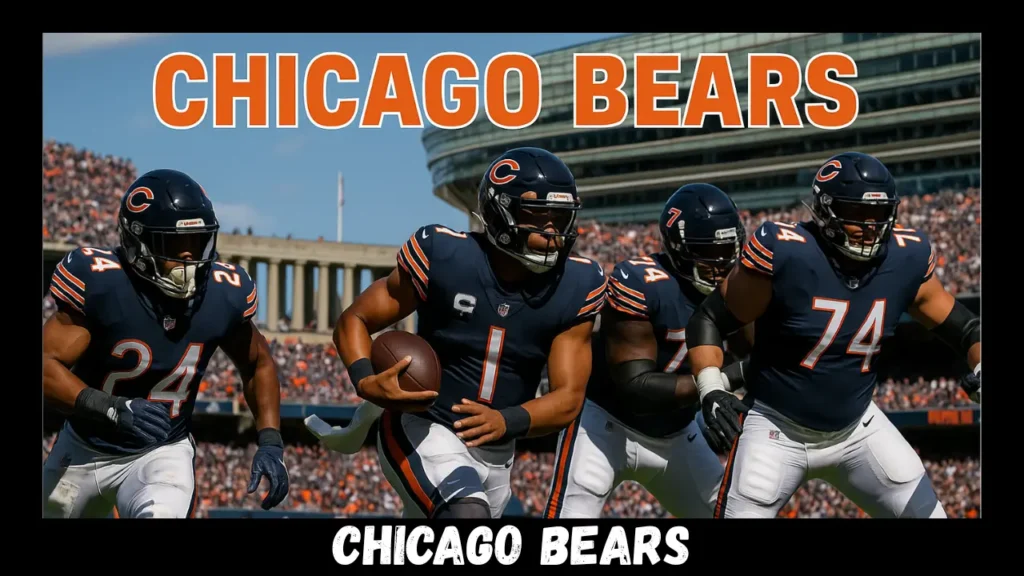

The (Chicago Bears) stand as one of the oldest, most storied, and culturally significant franchises in professional sports. With more than a century of tradition, iconic players, influential coaches, and unforgettable moments, the team has shaped the identity of American football and the city of Chicago itself. From their beginnings as the Decatur Staleys to their transformation into one of the NFL’s cornerstone franchises, the chicago bears represent endurance, passion, and a relentless commitment to defense, grit, and community.
This comprehensive guide explores the complete story of the chicago bears, including their origins, major milestones, legendary figures, historical highs and lows, modern rebuild, brand strength, and what lies ahead with evolving stadium plans and leadership changes. Whether you’re a life-long fan or a new follower, this detailed breakdown highlights the depth, spirit, and identity of a franchise that continues to shape the NFL landscape.
The Birth of a Legacy From Decatur Staleys to the chicago bears
Early Beginnings and the Move to Chicago
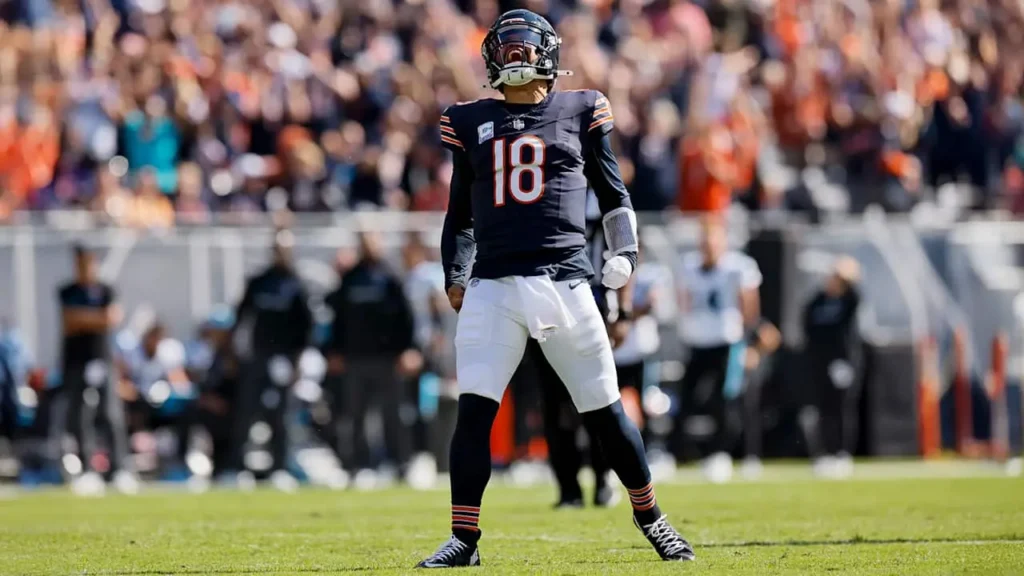
The team that would eventually become known worldwide as the chicago bears began in 1920 as the Decatur Staleys. Originally formed by the A.E. Staley Starch Company, the team joined the newly formed American Professional Football Association, which would eventually evolve into the National Football League.
In 1921, the franchise relocated to Chicago under the leadership of George Halas, one of the most influential figures in sports history. By 1922, the team officially adopted the name “Bears,” signaling the start of an era that would eventually make the team synonymous with toughness and dominance.
George Halas and the Foundation of a Dynasty
George Halas, known affectionately as “Papa Bear,” shaped the identity, culture, and competitive spirit of the chicago bears. As a coach, owner, and visionary, Halas emphasized discipline, innovation, and physical play. His leadership helped the Bears become a dominant force early in the league, earning multiple championships before the Super Bowl era and establishing the team as a central figure in the NFL’s growth.
Chicago’s Team Cultural Significance and Regional Pride
The Bears and the City
No team embodies Chicago’s personality quite like the chicago bears. Their style of play—defensive strength, blue-collar grit, and passionate effort—mirrors the character of the city. Soldier Field, the team’s long-standing home, has hosted generations of fans who have grown up with the franchise as part of their identity.
The bond between the Bears and the city is unlike any other. Through winter winds, snow-covered games, decades of heartbreak, and moments of triumph, fans have stayed loyal. Supporting the Bears isn’t just about football—it’s a shared cultural tradition.
Dominance Through Defense The Iconic Monsters of the Midway Identity
Defensive Philosophy Through the Decades
The chicago bears are famous for defense. From their earliest days, the franchise has built its reputation around physicality, run-stopping power, and punishing hits. The nickname “Monsters of the Midway” became a rallying cry that symbolized their aggressive defensive personality.
The 46 Defense and the 1985 Masterpiece
The 1985 Bears remain one of the greatest teams in NFL history. Led by defensive coordinator Buddy Ryan and head coach Mike Ditka, the team terrorized offenses with the revolutionary “46 Defense.” This scheme allowed the Bears to pressure quarterbacks, dominate the line of scrimmage, and create chaos on every play.
That legendary defense, featuring stars like Mike Singletary, Richard Dent, Dan Hampton, and the unforgettable William “Refrigerator” Perry, powered the team to a Super Bowl XX victory and cemented the chicago bears as a defensive dynasty.
Walter Payton and the Legacy of Excellence
The Running Back That Defined Greatness
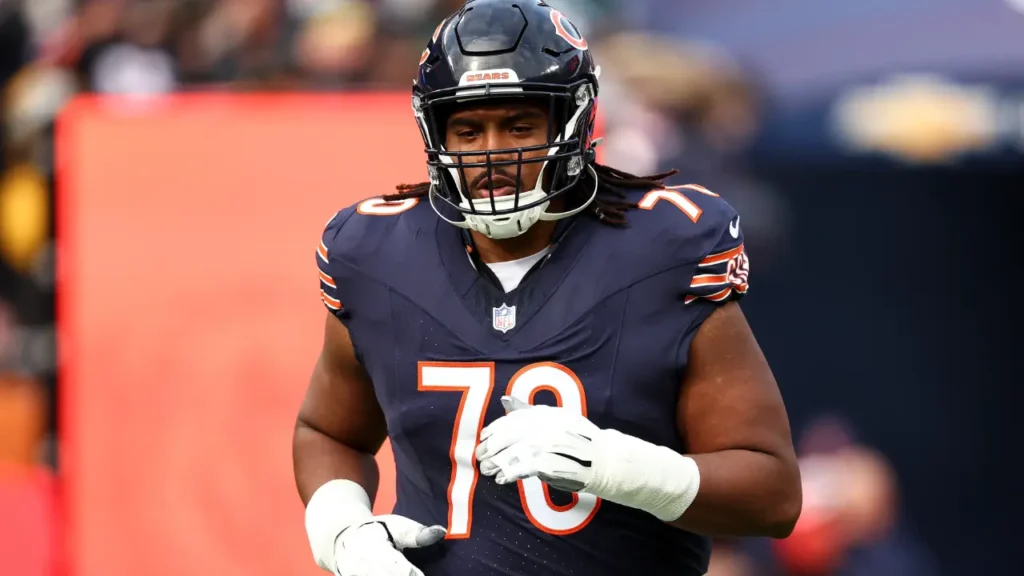
No discussion about the chicago bears is complete without Walter Payton, one of the greatest running backs in NFL history. Known for his relentless running style, unmatched work ethic, and remarkable durability, Payton broke records and inspired millions.
His 16,726 rushing yards place him among the all-time leaders, and his impact goes beyond statistics. Payton represented everything the Bears stood for—heart, toughness, loyalty, and greatness.
Payton’s Lasting Impact
Walter Payton’s influence remains embedded in the franchise’s culture. His number, his style, his spirit, and his leadership remain examples for every player who wears the Bears uniform.
Highs Lows and Rebuilding The Franchise’s Journey Through Modern Eras
Post-Super Bowl Challenges
After the monumental success of 1985, the chicago bears faced decades of ups and downs. While there were playoff appearances, strong defensive showings, and standout players, consistency remained a challenge.
The Lovie Smith Era
In the mid-2000s, Lovie Smith revitalized the franchise with a return to defense-first football. This led to a Super Bowl appearance in 2006, powered by strong defense and special teams.
Quarterback Struggles and Organizational Shifts
For many years, the Bears struggled to find long-term stability at quarterback. Players like Jay Cutler delivered memorable performances but couldn’t carry the franchise to sustained postseason success. Combined with coaching changes and front-office turnover, the Bears found themselves in repeated rebuild cycles.
The Recent Rebuild and the New Direction for the chicago bears
New Leadership and Front-Office Vision
In recent years, the chicago bears have entered a new rebuild with hopes of returning to prominence. With a shift in leadership, a renewed focus on player development, and a modern approach to offensive strategy, the Bears aim to build a roster capable of competing at the highest level.
Coaching Transitions
A major turning point came with changes in coaching leadership, setting the team on a fresh path. The new direction emphasizes balance, discipline, and a more contemporary NFL style—blending dynamic offense with the franchise’s trademark defensive toughness.
Soldier Field History Atmosphere and What Comes Next
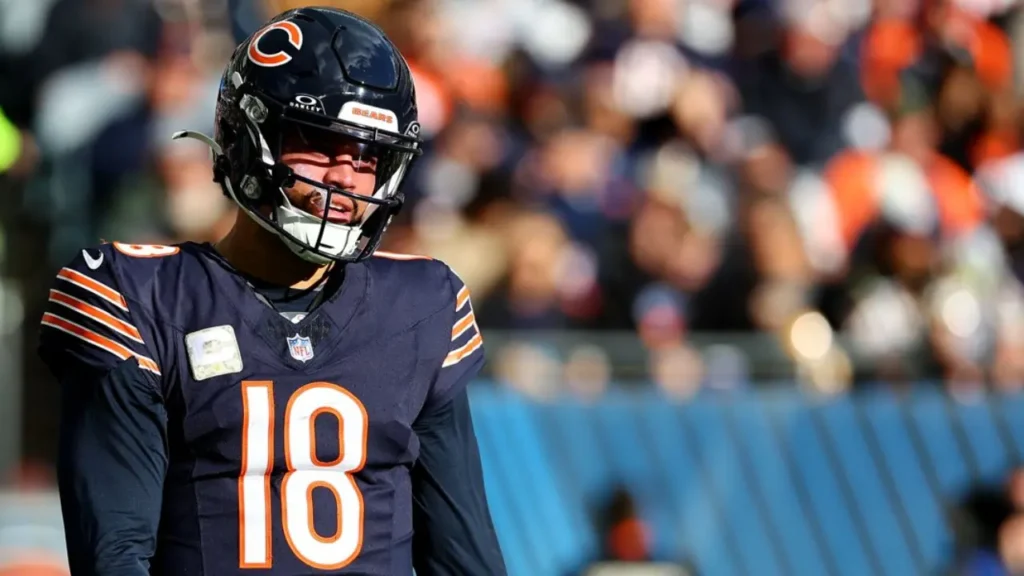
Soldier Field’s Legacy
For decades, Soldier Field has been the home of the chicago bears, offering a unique game-day experience. Known for its lakefront winds, historic architecture, and passionate atmosphere, it remains one of the most iconic stadiums in American sports.
Future Stadium Plans
The Bears have been exploring the possibility of constructing a new stadium outside the downtown area. This potential change marks a major milestone for the organization. A new stadium could symbolize innovation and growth while preserving the legacy and cultural roots of the franchise.
Branding Strength and Global Recognition
A Century-Old Brand in a Modern NFL
Despite recent on-field challenges, the chicago bears remain one of the strongest brands in sports. Their history, loyal fan base, and global recognition keep them among the top franchises in terms of branding power and cultural relevance.
Fan Loyalty and Community Engagement
The Bears’ connection with their fan base is unbreakable. Through community initiatives, youth programs, and multi-generational support, the team remains deeply rooted in the lives of millions.
What the Future Holds for the chicago bears
Rebuilding the Roster
The Bears are focusing on building a strong foundation through smart drafting, player development, and roster balance. With emerging talent and strategic signings, the team hopes to create a sustainable model for long-term success.
Modernizing the Franchise
A transformation is underway—from coaching to facilities to branding. The Bears are stepping into a new era, blending their historic identity with forward-thinking innovation.
The Goal A Return to Dominance
The ultimate aim is clear: bring the chicago bears back to championship contention. With renewed vision and commitment, the team is determined to restore the pride, passion, and power that defined the franchise for over a century.
FAQs
1. Why are the chicago bears considered one of the most historic NFL teams?
Because they are one of the NFL’s founding franchises, have multiple league championships, legendary players, and a century-long connection to the growth of professional football.
2. What is the significance of the nickname “Monsters of the Midway”?
It refers to the Bears’ long tradition of dominant defensive play, toughness, and the intimidating style that has defined their identity.
3. Who is the most iconic player in chicago bears history?
Walter Payton is widely regarded as the most iconic player due to his record-breaking career, leadership, and lasting impact on the franchise.
4. Are the chicago bears planning to move to a new stadium?
The organization has explored new stadium options as part of a long-term vision to modernize facilities and enhance fan experience.
5. What is the future outlook for the chicago bears?
With new leadership, roster rebuilds, and potential stadium development, the future is focused on modernization, competitive improvement, and returning to championship form.