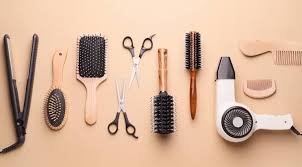

Choosing the right hair tools can completely change how you approach your daily styling routine. What once felt like a frustrating battle with your hair can become a quick, confidence-boosting ritual that sets the tone for your entire day. The market overflows with curling irons, flat irons, blow dryers, and specialized brushes, each promising to be the solution you’ve been searching for. Understanding what your hair actually needs, rather than what’s trending on social media, helps you cut through the noise and invest wisely.
Understanding Your Hair Type and Texture
Before you spend a dime on styling tools, you need to get real about what your hair is actually like. Fine hair can’t handle the same heat levels as thick, coarse strands, and trying to force it will leave you with breakage and disappointment. Similarly, naturally curly or coily hair responds to tools completely differently than straight hair does, which means the wrong choice can leave you fighting against your natural texture instead of working with it. According to research published by the International Journal of Trichology, factors like porosity, density, and elasticity play crucial roles in how your hair reacts to heat styling.
Evaluating Heat Settings and Temperature Control
Temperature control isn’t just a nice-to-have feature, it’s essential for keeping your hair healthy while achieving the styles you want. If you’ve got fine or previously damaged hair, you’ll want temperatures between 250 and 300 degrees Fahrenheit, while thicker textures often need settings that climb closer to 400 degrees to get results. Digital temperature displays take the guesswork out of the equation, giving you precise control rather than vague “low, medium, high” settings that mean different things on different tools. Many professional-grade options now include automatic heat regulation technology that maintains consistent temperatures throughout your entire styling session, preventing those damaging hot spots that can literally fry sections of your hair.
Considering Plate Materials and Barrel Coatings
The material that actually touches your hair matters more than most people realize. Ceramic technology has become popular because it distributes heat evenly, reducing those problematic hot spots while generating negative ions that help smooth the hair cuticle and fight frizz. Titanium plates heat up incredibly fast and hold stable temperatures, which makes them particularly effective for thick or coarse hair that needs higher heat and sometimes multiple passes to cooperate. Tourmaline-infused tools take things a step further by emitting both negative ions and far-infrared heat, which penetrates more gently while sealing in moisture for shinier, smoother results.
Analyzing Tool Versatility and Multi-Functionality
There’s something appealing about consolidating your styling arsenal, especially when bathroom counter space comes at a premium. Versatile tools that handle multiple styling tasks can genuinely simplify your routine while cutting down on the clutter that accumulates around your mirror. Some innovative designs combine straightening and curling capabilities into a single device, which means you don’t need separate appliances taking up space and creating decision fatigue each morning. For those who like switching up their look or work in professional settings requiring style variety, a quality straightener and curler in one offers the flexibility to create sleek styles one day and bouncy curls the next without changing tools. That said, you need to be cautious, some multi-purpose tools sacrifice performance for convenience, delivering mediocre results across all their functions instead of excelling at any one thing. The key is determining whether a versatile option truly meets your needs or whether you’d be better served by specialized tools that each do one job exceptionally well.
Assessing Safety Features and Durability
Safety features might not seem exciting, but they become incredibly important the first time you rush out the door wondering whether you unplugged your flat iron. Automatic shut-off functions provide peace of mind by powering down your tool after a set period of inactivity, protecting against potential fire hazards when your morning brain forgets the basics. Swivel cords prevent the annoying tangling that not only frustrates you during use but also gradually damages the electrical connections over time. Heat-resistant tips, cool-touch housing, and insulated handles protect your fingers, countertops, and anything else that might accidentally come into contact with your tool during or immediately after use.
Matching Tools to Your Lifestyle and Skill Level
Your actual daily life should drive your tool selection more than any influencer recommendation or salon professional’s setup. If mornings are a chaotic scramble to get out the door, you need tools that heat up fast and deliver quick results, high-wattage blow dryers and rapid-heat styling irons become non-negotiables rather than luxuries. Beginners benefit from tools with intuitive controls, clear temperature indicators, and ergonomic designs that make proper technique easier to figure out without formal training or YouTube tutorials. Frequent travelers need to think about compact designs and dual-voltage capabilities that work internationally without requiring bulky converters taking up precious luggage space.
Conclusion
Selecting the right hair tools comes down to matching quality equipment to your specific needs rather than chasing whatever’s currently popular or expensive. When you carefully consider heat settings, plate materials, versatility, safety features, and your actual skill level, you build a collection that works with your natural texture while protecting your hair’s health. The most effective approach balances solid construction, appropriate features, and practical functionality that aligns with how you genuinely style your hair each day. Remember that owning fewer high-quality tools designed for your specific situation delivers better results than accumulating a drawer full of mediocre devices you rarely use.