
Sustainable land management sounds polite. It isn’t. It’s a constant argument between gravity, water, soil, and the human itch to build roads, gardens, terraces, car parks, rail lines, and neat little housing plots where the ground clearly prefers to slide downhill. Ignore that argument, and the land answers back with erosion, slumps, blocked drains, cracked paths, and that slow, expensive misery called “maintenance”. The clever move lies in shaping the land so it holds together while still allowing ecological processes to breathe.
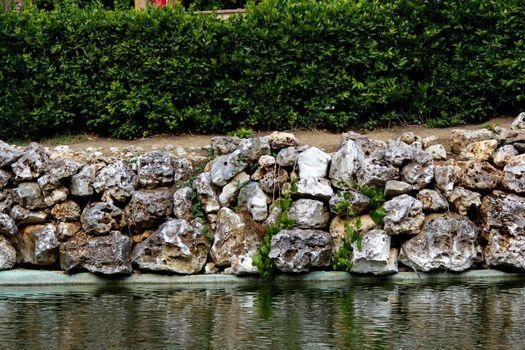
A retaining wall sits right in that tension. Done well, they reduce waste, protect soils, and make space for planting rather than for panic repairs. Done badly, they trap water, cause failures, and turn a site into a rolling emergency. A sustainable site never depends on luck. It depends on understanding forces and then building only what those forces can tolerate.
Making Space for Plants and People
Land management fails when it forgets the human use pattern. People trample shortcuts, cut new paths, park where the ground looks flat, and demand access. A stable terrace reduces that pressure, guiding movement and protecting planted areas. That is not mere convenience. It stops compaction and protects infiltration.
Supporting Biodiversity Through Structure
Walls also create microclimates. South-facing masonry stores heat and can support drought-tolerant planting. Shaded faces can hold moisture and favour ferns and mosses. Even the unglamorous details matter. Coping stones that shed water, slightly battered faces that resist bulging, and planting pockets that anchor roots all contribute to this outcome. Biodiversity gains don’t appear by magic. They appear because the structure creates a predictable, maintainable space where soil remains stable, and vegetation can establish without constant disturbance.
Protecting Access and Stewardship
There’s also a social angle that planners love to ignore until complaints arrive. Safe, stable edges reduce trip hazards and sudden ground movement near footways. Clear boundaries can protect tree root zones from casual parking and repeated compaction. A terrace that invites gardening or community planting fosters stewardship, which in turn reduces vandalism and neglect. Land that people value tends to get cared for. Land that feels temporary gets treated as disposable. Add lighting, sightlines, and routine inspections, and the terrace stays genuinely usable.
Reducing Long-Term Site Damage
Retaining structures play a strange double role in sustainable land management. They look like robust engineering, yet their best versions behave like quiet ecological infrastructure. They protect soil, control water, and reduce the need for endless intervention. That last point matters more than most admit. A slope that fails every few winters drains budgets and pushes managers into quick fixes, which means more excavation, more spoil, more transport, more carbon, and more habitat damage.
Conclusion
Stable, draining, well-sited walls change rhythm. It produces terraces for planting, pathways, and productive use without the earth collapsing. Good drainage and honest design honour that peace contract with physics in stone, lumber, or reinforced soil. The best projects integrate planting, runoff management, inspection, and practical maintenance with the wall. If any of those are ignored, the structure becomes a monument to wishful thinking, which never held back a hillside.
Image attributed to Pexels.com