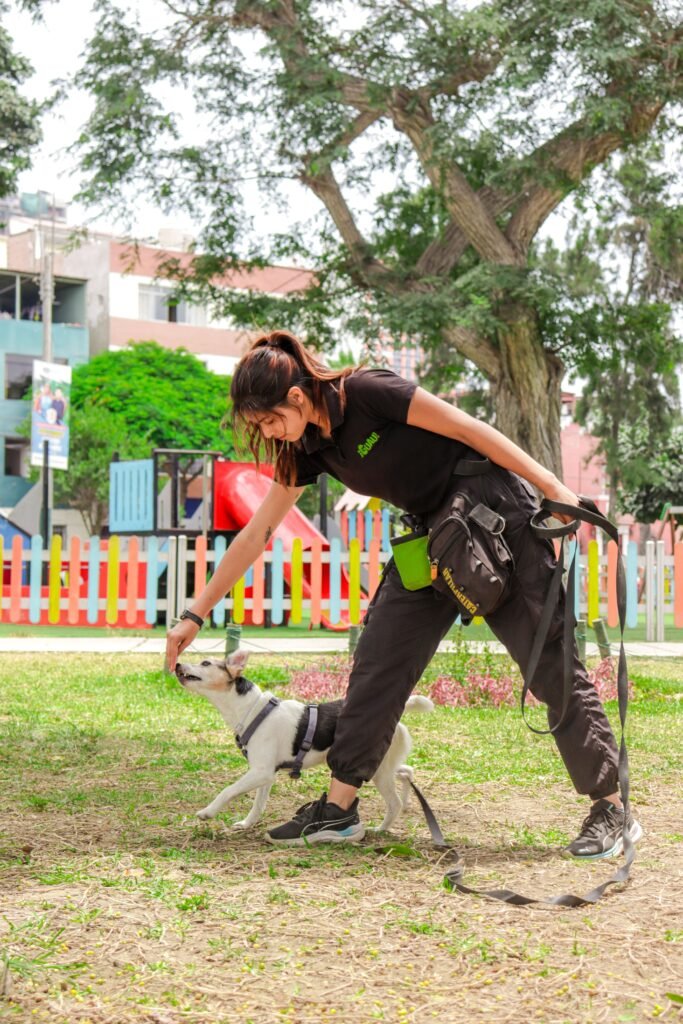

Building strong obedience in dogs requires patience, consistency, and a thoughtful approach that supports clear communication. Dogs learn best when training feels structured, predictable, and rewarding. By developing habits that reinforce positive behavior and strengthen understanding, owners can guide their dogs toward becoming confident, responsive companions. Effective obedience training is not about strict control but about creating a relationship built on trust and mutual respect. With the right habits in place, dogs learn more quickly and behave more reliably in everyday situations.
Establishing Consistent Communication
Consistency is one of the most important habits in obedience training. Dogs rely on repetition and clear cues to understand what is expected of them. Using the same words, tone, and gestures for each command helps prevent confusion and speeds up learning. When communication is consistent, dogs can form strong associations and respond more reliably. This clarity also reduces frustration for both dog and owner, creating a smoother training experience. Consistent communication becomes the foundation for all other obedience habits and supports long term success.
Reinforcing Positive Behavior Regularly
Positive reinforcement is a powerful tool for shaping obedience. Rewarding desired behaviors with treats, praise, or affection encourages dogs to repeat those actions. This method builds confidence and strengthens the bond between dog and owner. Reinforcement should be delivered immediately so the dog can connect the reward to the behavior. Over time, positive reinforcement helps create a learning environment that feels supportive and enjoyable. When dogs understand that good behavior leads to positive outcomes, they become more motivated to listen and respond.
Practicing Short, Focused Training Sessions
Dogs learn best when training sessions are kept short, engaging, and free from unnecessary distractions. Long sessions can lead to frustration or loss of focus, especially for younger dogs. Short, focused sessions help maintain enthusiasm and allow dogs to absorb information more effectively. Ending sessions on a positive note reinforces confidence and encourages the dog to look forward to the next training opportunity. This habit supports steady progress and helps prevent burnout for both dog and owner.
Introducing Distractions Gradually
A common challenge in obedience training is helping dogs respond reliably in different environments. Dogs may perform well at home but struggle when distractions are present. Introducing distractions gradually helps strengthen focus and ensures that commands remain effective in real world situations. Starting with mild distractions and slowly increasing difficulty allows dogs to build confidence without becoming overwhelmed. This habit teaches dogs to stay attentive and responsive, even when their surroundings are more stimulating.
Addressing Behavioral Challenges with Professional Support
Some dogs face behavioral challenges that make obedience training more difficult. Issues such as reactivity, fear, or aggression can interfere with learning and create stressful situations. In these cases, working with professionals who offer reputable aggressive dog training can provide valuable guidance. Skilled trainers use structured, evidence based methods to help dogs overcome obstacles safely and effectively. Professional support ensures that training remains positive and productive, giving both dog and owner the tools needed for long term success. Early intervention often leads to better outcomes and helps prevent behaviors from becoming more severe.
Reinforcing Skills Through Daily Routines
Obedience training becomes most effective when practiced in everyday situations. Using commands during walks, mealtime, or play helps dogs understand how behaviors fit into daily life. Real life practice strengthens retention and teaches dogs to respond reliably outside of structured training sessions. This habit also helps owners identify areas that may need additional reinforcement. When obedience becomes part of daily routines, dogs develop stronger habits and a deeper connection with their owners.
Conclusion
Creating better obedience involves consistent communication, positive reinforcement, focused training sessions, gradual exposure to distractions, professional support when needed, and regular practice in daily routines. With patience and thoughtful guidance, dogs develop strong habits, improved focus, and a lasting bond built on trust and clear communication.