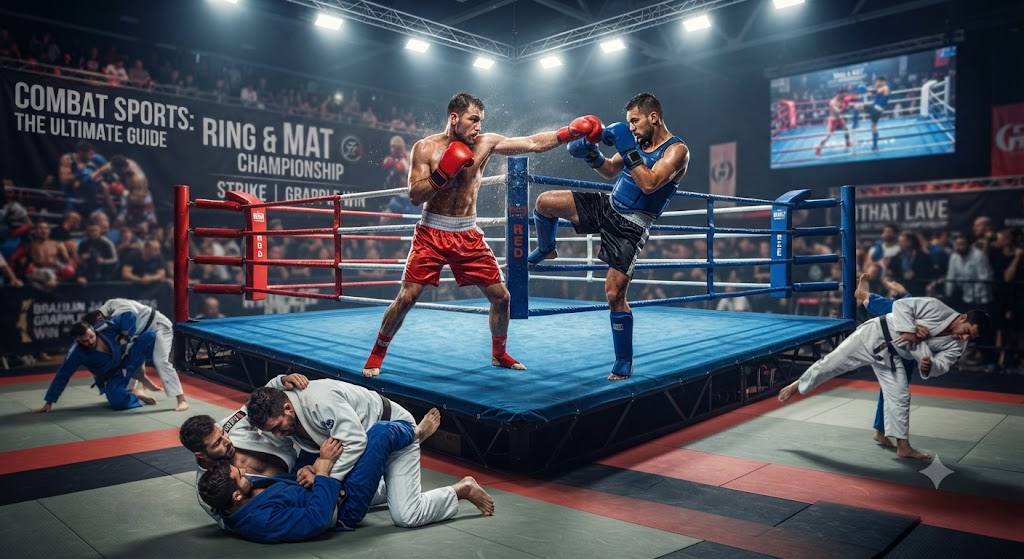

Combat Sports Quick Facts
| Sport Type | Main Action | Popular Gear | Key Skill |
| Boxing | Punching | Gloves, Mouthguard | Fast hands |
| Wrestling | Grappling & Takedowns | Singlet, Shoes | Leverage |
| Karate | Striking (Kicks/Punches) | Gi, Belt | Focus |
| Judo | Throwing & Holding | Gi | Balance |
What Are Combat Sports? The Ultimate Guide
Have you ever watched two people step into a ring or onto a mat and use punches, kicks, or clever holds to win a match? That exciting world is what we call Combat Sports. These are competitive athletic games where opponents fight each other using specific rules. People have enjoyed these physical contests for thousands of years. From ancient Olympic wrestling to modern martial arts, combat sports test how fast, strong, and smart a fighter can be. You might wonder if it is just about hitting hard. It is actually much more like a fast-moving puzzle. Fighters must think ahead, protect themselves, and find an open spot to score points. Whether you love watching big events on TV or want to try a class yourself, learning about combat sports is a fun adventure. Let us dive in and see how these amazing athletic skills work together.
The Long History of Fighting Games
Human beings have practiced combat sports since the very beginning of recorded history. Ancient cave paintings and old stories show that people loved to test their physical power against a rival. In ancient Greece, athletes competed in wrestling and a wild mix of striking and grappling called pancratium. These early games were a huge deal in society. They celebrated peak physical condition, bravery, and fair play under strict rules. Over hundreds of years, different cultures created their own unique fighting styles. Asia developed deep traditions in kung fu and karate, while Europe refined fencing and boxing. Today, these ancient traditions live on in modern combat sports arenas. When you watch a match today, you are seeing a tradition that helped shape human civilization and sport.
All About Boxing and Striking
When most people picture combat sports, the classic image of boxing often comes to mind first. Boxing is a fast and thrilling sport where athletes only use their fists to punch. Fighters wear padded gloves to keep their hands safe and throw quick jabs, hooks, and crosses. Footwork is just as important as punching power. A good boxer dances around the ring to dodge incoming strikes while looking for an opening. Other striking combat sports include kickboxing and Muay Thai, which let athletes use their legs and knees too. Training in these sports takes incredible cardio and sharp focus. You have to react in a split second, making it an intense mental game disguised as a physical one.
The Power of Wrestling and Grappling
Not all combat sports involve throwing punches through the air. Wrestling and grappling focus on taking an opponent down to the ground and controlling them. In wrestling, athletes use leverage, strength, and quick balance shifts to pin their rival’s shoulders to the mat. It is one of the oldest combat sports on the planet and builds unbreakable core strength. Other styles like Brazilian jiu-jitsu focus heavily on ground fighting and clever joint locks. Grappling feels a lot like physical chess. You have to plan three moves ahead and react to every shift in weight your opponent makes. It proves that combat sports require a brilliant tactical mind just as much as raw physical muscle.
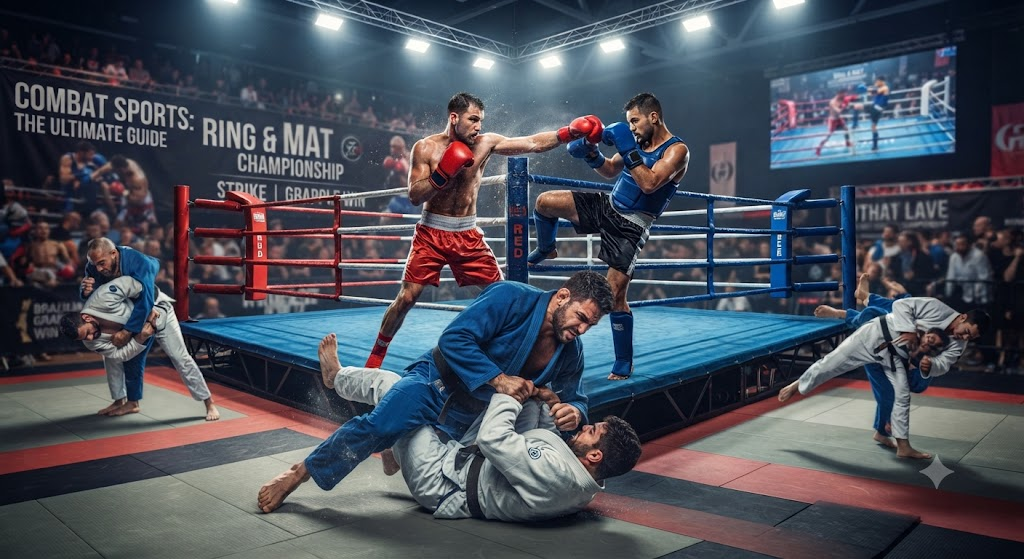
What is Mixed Martial Arts (MMA)?
Mixed martial arts is one of the fastest-growing combat sports in the entire world today. Instead of sticking to just one style, MMA athletes train in many different disciplines at the same time. A fighter might use boxing for their striking, wrestling for their takedowns, and jiu-jitsu for ground control. This blend creates an ultimate test of athletic versatility. Watching an MMA match is exciting because the fight can change completely in a single second. It represents the modern evolution of combat sports where specialists must become all-around athletes. The training schedule is brutal, but the payoff is an amazing display of human athletic capability and problem-solving under pressure.
The Strict Rules That Keep Athletes Safe
Some people think combat sports are just chaotic brawls, but they are actually governed by strict safety rules. Every professional match has a referee inside the area to enforce regulations and protect the participants. Judges sit nearby to score every single round fairly based on clean hits and effective control. Banned moves, like striking the back of the head or illegal holds, result in heavy penalties or disqualification. Doctors are always on standby to check for injuries and stop a contest if a fighter cannot safely continue. These careful rules in combat sports ensure that the focus stays on skill, athleticism, and sportsmanship rather than raw violence.
Gear and Equipment Every Fighter Needs
Staying safe during training and competition requires specialized gear designed for combat sports. Boxers rely on heavy leather gloves and supportive hand wraps to protect their delicate wrist bones. Wrestlers wear tight singlets and specialized shoes that grip the mat for maximum traction. Martial artists often wear a uniform called a gi, which helps opponents grab and execute throws. Mouthguards are mandatory across almost all combat sports to protect teeth and absorb shock to the jaw. Using the right equipment lets athletes push their limits with confidence. It turns dangerous situations into controlled, safe environments where talent can truly shine.
Mental Toughness and Discipline
Physical strength alone will never make a champion in the world of combat sports. Mental toughness and deep personal discipline are the real engines behind every successful athlete. Fighters spend years practicing the same moves over and over until they become second nature. They learn how to stay calm when they are tired, hurt, or losing a match. This mental resilience spills over into everyday life, helping athletes build confidence and focus. When you study the mindset behind combat sports, you realize it teaches valuable lessons about patience, failure, and bouncing back stronger. It is an inner journey that transforms ordinary people into extraordinary competitors.
Weight Classes Ensure Fair Play
Have you ever wondered how tiny athletes can compete against much larger ones in combat sports? The secret is the use of strict weight classes that divide athletes by their exact body weight. By grouping competitors into categories like flyweight, lightweight, and heavyweight, the sport stays fair. A smaller, faster athlete does not have to fight someone with a massive size advantage. Organizing matches this way highlights pure technique over natural biological size. It is a vital system that keeps combat sports competitive, exciting, and accessible to athletes of all shapes and sizes around the globe.
The Thrill of Training for Fitness
You do not have to step into a professional cage to enjoy the benefits of combat sports. Millions of everyday people join local gyms just to take cardio-boxing or martial arts fitness classes. These workouts burn tons of calories, build lean muscle, and improve your overall coordination. Hitting a heavy bag or practicing footwork drills is also an incredible way to release daily stress. Participating in combat sports training gives you a great sweat while teaching you practical self-defense basics. It is a fun, empowering hobby that anyone can start, no matter their age or current fitness level.
The Future of Fighting Athletics
The landscape of combat sports continues to evolve with new technology and global interest. Better medical scans protect fighters from long-term injuries, while online streaming brings matches to fans everywhere. Youth programs are introducing kids to wrestling and karate early, teaching them respect and physical literacy. As training methods get smarter, athletes in combat sports perform at levels we have never seen before. The future looks bright for these ancient athletic contests. They continue to adapt, grow, and capture our imagination because they celebrate the fundamental drive to test our limits and improve ourselves.

Frequently Asked Questions
Are combat sports dangerous for kids?
When taught by certified coaches with proper safety gear, youth programs in combat sports are very safe. They focus on fun, fitness, and discipline rather than hard contact.
What is the difference between striking and grappling?
Striking involves hitting an opponent with punches or kicks, like in boxing. Grappling involves holding, throwing, and controlling an opponent on the mat, like in wrestling.
Do I need to be in great shape before starting?
No, you do not! Joining a beginner class in combat sports is how you get into shape. The workouts build your strength and stamina step by step.
How do referees keep fighters safe?
Referees watch every second of the action closely. They step in immediately to stop illegal moves, break dangerous holds, or end the match if a fighter is too tired to defend themselves.
Can women participate in combat sports?
Absolutely. Women compete at the highest professional levels in boxing, wrestling, and MMA, inspiring millions of fans and aspiring athletes worldwide.
What gear is most important for beginners?
A good mouthguard, comfortable athletic clothing, and proper hand wraps or supportive shoes are the essential first items you need for combat sports training.
Conclusion
We have explored the exciting history, safety rules, gear, and sheer athletic brilliance behind combat sports. These incredible activities offer a unique mix of physical conditioning and sharp mental strategy. Whether you want to watch a championship match or try a beginner fitness class, there is a lot to appreciate in this world. What is your favorite fighting style or martial art to watch or practice? Drop a comment below and share your thoughts!