
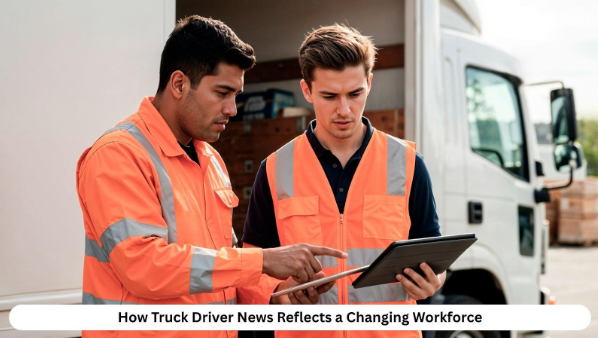

The roar of semis across America is no longer just about the freight — it’s about people. Every headline you read about truck driver news is a story of changing workforce patterns, new demands, and new opportunities.
From businesses adapting to labor shortages to technology changing the face of life on the road, the trucking industry’s transformation begins with what drivers, carriers, and regulators are talking about.
Truck Driver News, a specialized news site that aggregates the most important trucking news, reflects the true challenges and triumphs of a changing workforce. As the trucking industry adapts to economic forces, changes in the demographics and culture, the news that gets reported says a lot about where the trucking industry has been, where it’s going, and who’s at the helm.
Truck Driver News keeps truckers informed about safety notices, regulatory changes, workforce trends, and new demands — giving a voice to a workforce that is more diverse, more tech-savvy, and more demanding of real change than ever before.
Here is how the trucking industry workforce is changing, as indicated by the Truck Driver News.
1. The Labor Shortage Story Drives Headlines
Perhaps one of the biggest changes in the workforce that appears in Truck Drivers News is that of a driver shortage. Across America, there are many trucking companies that are struggling to fill their driver spots as many long-time drivers are retiring, and younger people are not entering the field.
The news about a driver shortage appears prominently in news about truck drivers because it represents a shift in the workforce as well as an economic shift. The driver shortage is a shift that represents a change in workforce expectations.
Trucking companies are offering higher pay, bonuses, and other incentives to try to get new people into their driver spots. In fact, some states are even considering offering tax incentives to get people into driver jobs. This shift shows how the industry has changed from its reputation for offering low pay and long working hours.
2. Demographic Shifts: Diversity in the Driver Pool
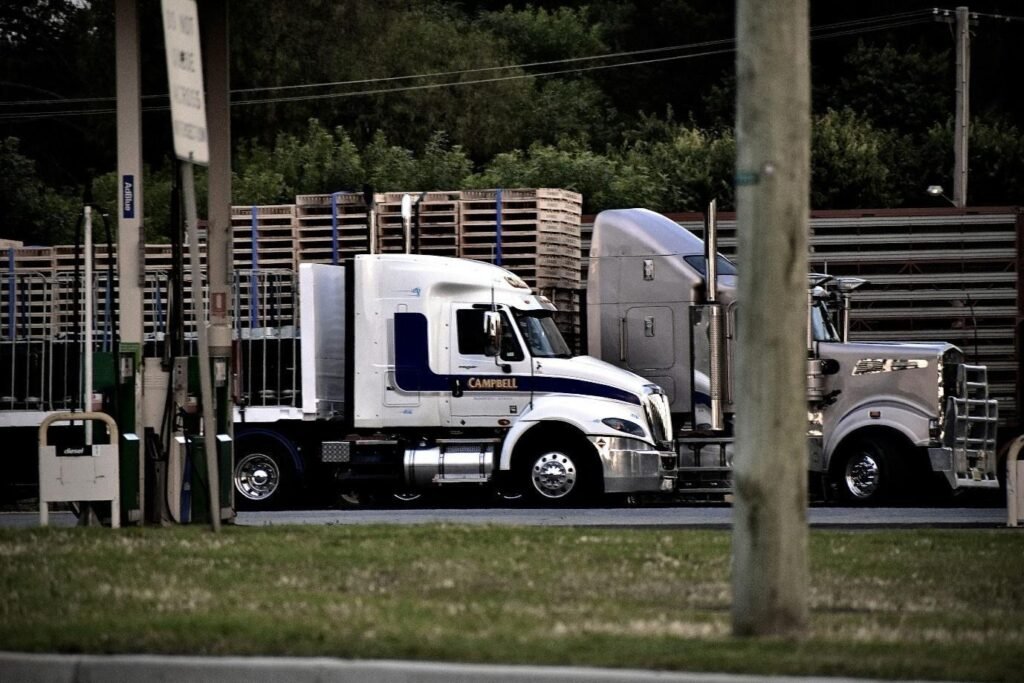
The Truck Driver News also shows a slow but significant change in demographics. For many years, driving a truck has been seen as a traditionally male-dominated industry; however, news headlines show that there is now greater diversity in hiring drivers of different genders and other minority groups.
While they are still not represented in significant numbers in comparison to other industries, the news headlines concerning their growth in numbers, as well as setbacks in their recruitment, show that driving a truck is becoming an industry that must embrace change to meet a diverse workforce.
The news headlines concerning diverse hiring practices also show up in feeds because they reflect some of the trends that can be seen in other industries as well.
3. Spotlight on Training and Skill Development
Another thing that you will notice in Truck Driver News articles is training, certification, and skill building. With the changing workforce dynamics, truck drivers and companies are now focused on skill-building and training.
Thus, through its articles, truck driver news indicates that the current workforce does not just wish to be employed; they wish to build careers and climb up the career ladder.

4. Technology: Transforming the Driver Experience
You’ll see a lot of stories about electronic logging devices, route optimization apps, and truck safety technology, and that’s because technology is certainly changing the trucking job. Truck Driver News is full of stories about the impact of technology investments on the daily workflow of drivers and carriers.
This is a workforce that is becoming more and more tech-savvy. Drivers have to deal with GPS technology, compliance technology, and communication technology to get the job done effectively.
And yet, as technology and AI continue to make the headlines, the reality is that the focus is on technology that improves jobs, not replaces them. And that’s because the reality is that the trucking industry is not resistant to change – it is changing, just like any other modern profession.
5. Worker Well-Being and Work-Life Balance
The Truck Driver News is filled with more mental health, work-life balance, and truck driver-related issues than ever before. The headlines that speak to the issues of stress, burnout, and lifestyle challenges highlight an industry that understands the importance of quality of life.
While truck drivers express their concerns regarding time away from home, the trucking industry tries to find solutions to support them, and the media picks up on these trends.
This indicates that the current trucking workforce understands the importance of a support system, a sense of community, and a respect for personal time, just as the rest of the world is struggling with the issue of burnout.
6. Regulatory Shifts and Workforce Impact
Regulatory news, such as changes to hours of service rules or safety regulations, is consistently included on the Truck Driver News feeds because it plays a major role in the working life of the driver. Drivers need to stay informed about compliance deadlines, federal actions, and legislative proposals that affect their working lives.
Regulatory news is a reflection of the fact that the workforce is better informed and more politically active today than ever before. By staying informed about what is going on regarding the laws, drivers can better protect their rights. This is a reflection of the fact that changes at the policy level can have a ripple effect on the workforce.
Closing Remarks
Truck Driver News doesn’t just report industry developments; it also mirrors the changing profile of the trucking industry workforce. From the scarcity of drivers and the changing demographics to the evolution of technology and the welfare of drivers, the news that makes headlines indicates that the industry is changing. These online news portals, like Truck Driver News, are mirrors and amplifiers of the changing profile of a profession that’s vital to the economy and changing to meet the needs of the future.